 Save
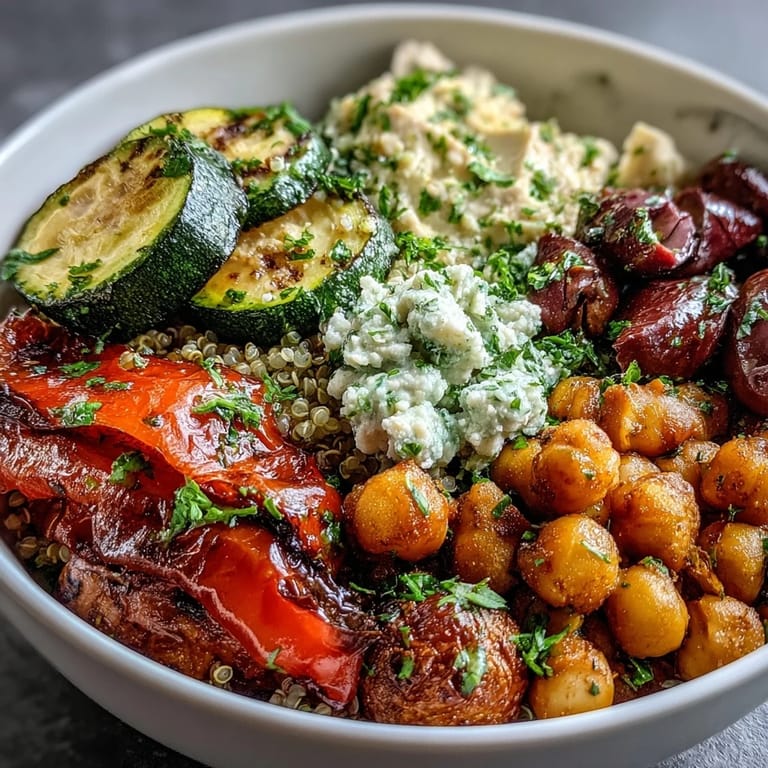
Save My friend Sarah showed up one afternoon with a container of roasted vegetables and a handful of quinoa, saying she'd been obsessed with building bowls instead of cooking full meals. I watched her layer everything into a simple white bowl—the colors alone made me hungry before I even tasted it. That evening, I understood why she'd been raving: it wasn't just healthy, it was actually exciting to eat, with textures and flavors that kept surprising me with every spoonful.
I made this for my mom's book club when she asked me to bring something that wasn't a dessert, and honestly, I was nervous—it's the kind of food that can feel either effortlessly impressive or try-hard, depending on execution. But watching everyone pile their bowls high and then actually eat most of it, asking for the recipe with genuine interest, reminded me that simple food made with attention to quality ingredients speaks for itself.
Ingredients
- Quinoa, rinsed: Rinsing removes the bitter coating that sometimes catches people off guard—a quick rinse under cold water makes all the difference in how fluffy and pleasant it tastes.
- Zucchini, red bell pepper, red onion, cherry tomatoes: These vegetables roast into something almost caramelized and sweet, completely different from their raw selves, so don't skip the roasting step even if you're tempted to save time.
- Olive oil, dried oregano, ground cumin: This combination is what makes the vegetables taste Mediterranean rather than just roasted—the cumin adds a warmth that feels unexpected but perfect.
- Chickpeas, drained and rinsed: Draining them thoroughly prevents your bowl from becoming watery, and a quick warm-up in the skillet makes them taste fresher and more flavorful.
- Kalamata olives, pitted and halved: The salty, briny punch of good olives is non-negotiable here; they're what ties everything together and makes it taste authentically Mediterranean.
- Hummus, Greek yogurt, feta cheese: These creamy and tangy elements balance the earthiness of the grains and vegetables, creating layers of flavor rather than a one-note dish.
- Fresh parsley, lemon wedges: Parsley adds brightness and a subtle herbaceous note, while lemon gives you control over how punchy each bite becomes.
Tired of Takeout? 🥡
Get 10 meals you can make faster than delivery arrives. Seriously.
One email. No spam. Unsubscribe anytime.
Instructions
- Get your oven hot and vegetables ready:
- Preheat to 425°F and toss your chopped vegetables with olive oil, oregano, cumin, salt, and pepper until everything's coated evenly. This is when your kitchen starts smelling incredible.
- Roast until golden and tender:
- Spread them on a baking sheet and let them roast for 20 to 25 minutes, stirring halfway through so they caramelize evenly on all sides. You'll know they're done when the edges look slightly charred and the vegetables have softened but still have a little resistance.
- Cook quinoa while vegetables roast:
- Combine rinsed quinoa and water in a saucepan, bring to a boil, then drop the heat low, cover, and simmer for 15 minutes. After you remove it from heat, let it sit covered for 5 minutes—this resting time is crucial for fluffing it up perfectly.
- Warm the chickpeas gently:
- Toss them into a small skillet over medium heat for 2 to 3 minutes with a pinch of salt, just enough to warm them through and let them absorb a little seasoning. They don't need much, just enough attention to feel intentional rather than cold from the can.
- Bring it all together:
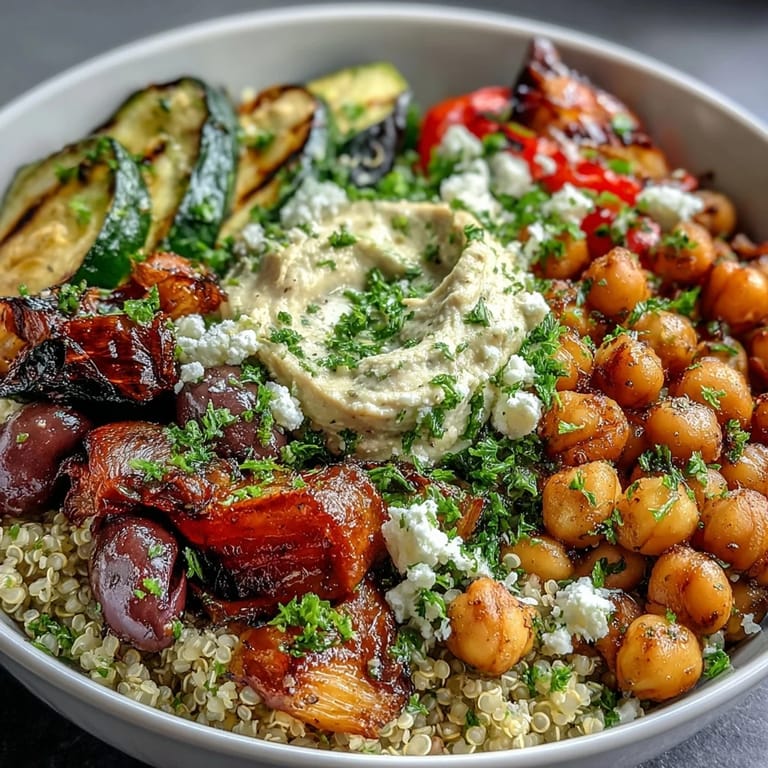
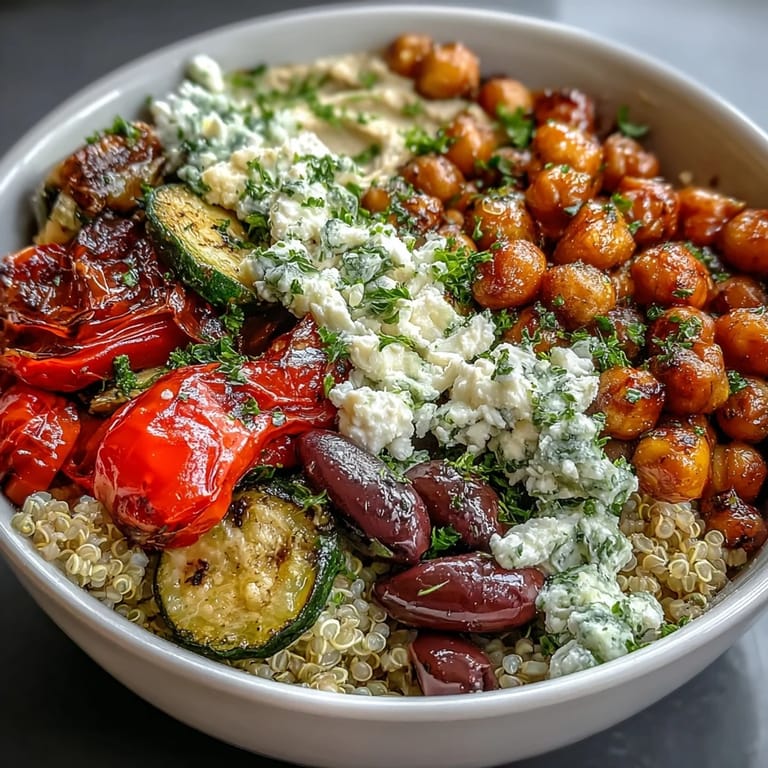
- Divide the fluffy quinoa among four bowls, then arrange the roasted vegetables, warm chickpeas, olives, hummus, Greek yogurt, and crumbled feta on top in little clusters. The idea is to get a bit of everything in each spoonful, so think about balance rather than just piling things randomly.
- Finish with brightness:
- Scatter parsley over the top and serve with lemon wedges so people can squeeze them over their bowl to taste. The acidity from the lemon brings everything into focus and makes the whole thing taste fresher.
 Save
Save My coworker David made this for his lunch every day for three weeks, and he'd mention how it kept him full and satisfied without the afternoon slump—that's when I realized this wasn't just a pretty bowl, it was actually nourishing in a way that made sense to his body. After that, I started seeing it less as a recipe and more as a template for feeding myself well on busy weeks.
How to Make This Completely Your Own
The beauty of a bowl like this is that it's incredibly forgiving and adaptable to what you have on hand or what sounds appealing that day. Swap farro or brown rice for the quinoa if that's what you've got, try roasting different vegetables depending on the season, or add grilled chicken, shrimp, or even a soft-boiled egg if you want more protein. The framework stays the same—warm grains, roasted vegetables, protein, something creamy, something salty and briny, and fresh herbs—but the specifics can shift without losing what makes the dish work.
Making It Ahead (Because Real Life Gets Busy)
You can roast the vegetables and cook the quinoa up to two days in advance, storing them separately in the fridge so nothing gets soggy. Assemble the bowls just before eating, or prepare them in the morning and keep the creamy toppings (hummus, yogurt, feta) in a separate container to add right before you eat so everything stays fresh and properly textured. This is where the bowl format becomes genuinely convenient—it's basically a deconstructed salad that travels well and doesn't get depressing by lunchtime.
Customizing for Different Diets and Preferences
Whether you're cooking for yourself or feeding a group with different dietary needs, this bowl is flexible enough to accommodate almost everyone without feeling like you're making separate meals. For a vegan version, swap the Greek yogurt for a plant-based alternative and skip the feta, or use crumbled tofu if you want something with substance. Add grilled chicken or shrimp if someone needs more protein, try a different grain if someone avoids gluten, or load extra vegetables if that's what someone craves—the base stays solid while everything else adapts.
- Always rinse canned chickpeas thoroughly to reduce sodium and the metallic aftertaste that sometimes lingers.
- Toast your spices (oregano and cumin) in a dry skillet for 30 seconds before sprinkling them on the vegetables if you want the flavors to feel even more vibrant and pronounced.
- Keep lemon wedges nearby because a squeeze of fresh lemon literally transforms how everything tastes in the best possible way.
 Save
Save This bowl has become my go-to when I want to eat well without overthinking it, and I hope it becomes something you reach for on weeks when you need nourishment that actually feels like pleasure. It's the kind of meal that proves healthy food doesn't have to be boring or complicated.
Recipe FAQs
- → Can I make this Mediterranean bowl vegan?
Absolutely. Simply omit the feta cheese and substitute the Greek yogurt with a plant-based alternative. The bowl remains just as satisfying and flavorful with creamy hummus as the primary element.
- → How do I store leftovers?
Store components separately in airtight containers in the refrigerator for up to 4 days. Keep the quinoa, roasted vegetables, and toppings in separate containers. When ready to enjoy, simply reheat the quinoa and vegetables if preferred, then assemble with fresh toppings.
- → Can I prepare ingredients ahead?
Certainly. You can cook the quinoa and roast vegetables up to 3 days in advance. The chickpeas can be warmed when ready to serve. Keep toppings like olives, hummus, and yogurt chilled until assembly time for optimal freshness.
- → What other grains work well?
Farro, brown rice, or even bulgur make excellent substitutes for quinoa. Adjust cooking times according to package instructions. Each grain brings its own texture and nutritional profile to complement the Mediterranean flavors.
- → Can I add more protein?
Grilled chicken, shrimp, or even pan-seared salmon pair beautifully with these Mediterranean flavors. For plant-based options, consider adding roasted tofu or additional legumes like white beans or lentils.
- → What vegetables can I substitute?
Eggplant, artichoke hearts, cucumber, or fresh spinach all work wonderfully. Roasted root vegetables like sweet potatoes or carrots also complement the Mediterranean profile while adding variety to your bowl.