 Save
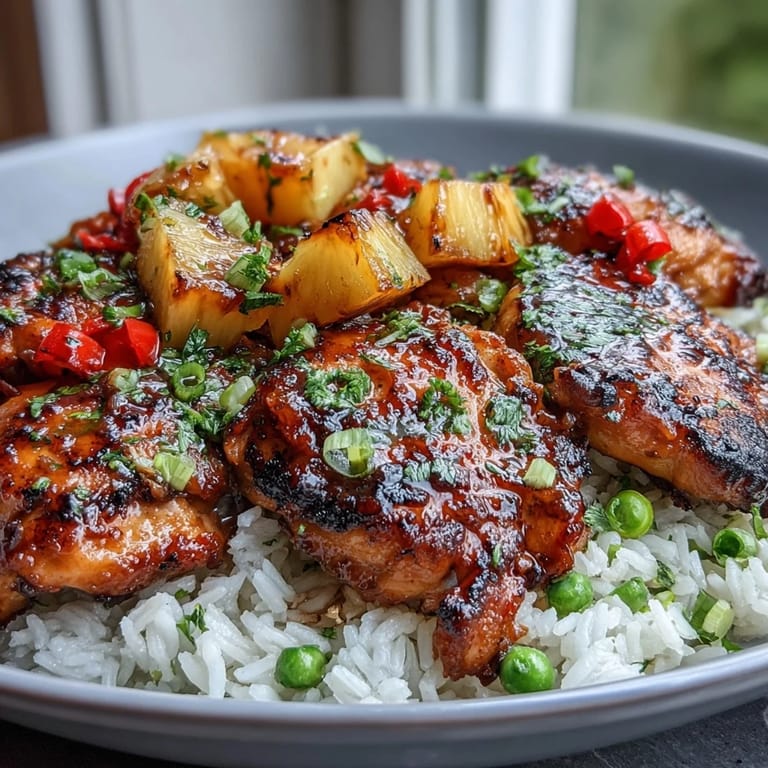
Save My neighbor Mike grilled these foil packets last summer while I watched from my patio, and the aroma drifting over the fence made me abandon my own dinner plans entirely. The packets came off the grill steaming and golden, and when he opened one at my kitchen counter, the sweet pineapple mingled with soy and ginger in a way that felt both tropical and comforting. I pestered him for the recipe that night, but he admitted he'd invented it on the spot by combining leftovers with what sounded good. Now it's become my go-to when I want something that tastes impressive but doesn't demand fussy plating or constant attention.
The first time I made these for my kids, they watched the packets puff up on the grill like little silver balloons and squealed when I opened one at the table. My daughter declared it "restaurant food we made ourselves," and suddenly a random Tuesday night felt celebratory. That moment made me realize this dish does something quieter than feed people—it makes them feel seen and cared for without requiring you to labor visibly in front of them.
Ingredients
- Boneless, skinless chicken breasts (4, about 6 oz each): These stay moist inside the foil because steam can't escape; budget extra time if your breasts are unusually thick, and don't skip the thermometer check at 165°F.
- Long-grain white rice (1 cup uncooked, rinsed): Rinsing removes excess starch so grains stay separate and fluffy; uncooked rice absorbs the marinade as it steams, which is the whole magic here.
- Fresh pineapple chunks (1 1/2 cups): Fresh fruit caramelizes slightly on the grill and tastes brighter than canned, but canned drained pineapple works fine if that's what you have on hand.
- Red bell pepper (1, diced): The sweetness balances the savory marinade, and the natural sugars toast slightly in the foil's dry heat.
- Red onion (1 small, thinly sliced): Thin slices soften quickly and mellow into something almost jammy; they also add color contrast that makes the open packet look appetizing.
- Sugar snap peas (1 cup, trimmed): These provide a light, crisp counterpoint to the heavier rice and chicken, though you can swap in broccoli florets or bell pepper strips if you prefer.
- Green onions (2, sliced for garnish): They're the final flourish that makes people think you fussed; add them just before serving so they stay bright and slightly raw.
- Low-sodium soy sauce (1/3 cup): Use tamari if you need gluten-free; the salt level matters here because it seasons the rice as it steams, so don't skip it or double it without tasting first.
- Pineapple juice (1/4 cup): This ties the sweet and savory together and keeps the rice from drying out; fresh squeezed tastes best but bottled is fine.
- Honey (2 tablespoons): It dissolves into the sauce and helps the chicken glaze slightly as the foil heats; measure carefully because too much sweetness overwhelms the ginger.
- Olive oil (2 tablespoons): This prevents the rice from sticking to the foil and carries the flavors of garlic and ginger throughout the packet.
- Garlic and ginger (2 cloves minced, 1 teaspoon grated): Fresh is non-negotiable here; they brighten the entire dish and their spice cuts through the richness of the chicken.
- Black pepper and salt (1/2 teaspoon each): Taste the marinade before you drizzle it; you may need less salt if your soy sauce runs particularly salty.
- Heavy-duty aluminum foil: Regular foil tears if you're not gentle; heavy-duty is worth the few extra cents because it seals reliably and won't puncture during grilling or opening.
Tired of Takeout? 🥡
Get 10 meals you can make faster than delivery arrives. Seriously.
One email. No spam. Unsubscribe anytime.
Instructions
- Heat your grill to medium-high:
- Aim for around 400°F if you can monitor it; you want it hot enough to cook rice through in 25–30 minutes but not so fierce that the packets char on the outside before the inside is done. Open the lid and let it preheat for at least 5 minutes so the temperature stabilizes.
- Build your marinade:
- Whisk soy sauce, pineapple juice, honey, olive oil, garlic, and ginger in a small bowl, and taste it once—the flavors should feel balanced between salty and sweet with a whisper of heat from the ginger. Don't mix it too vigorously or you'll aerate the honey and make it harder to drizzle evenly.
- Prepare your foil packets:
- Tear four sheets of heavy-duty foil about 12 by 16 inches and lay them shiny side up on a clean counter. Lightly spray or brush the center of each with oil so the rice won't stick; this step feels small but saves frustration when you open the packet at the table.
- Layer your first foundation:
- Divide the rinsed rice evenly among the four sheets, spreading it in a thin layer in the center; you want the grains in contact with the foil so they can absorb the moisture from the marinade. If the rice pile looks too high, the chicken won't cook evenly, so resist the urge to be generous here.
- Nestle the chicken:
- Place one chicken breast on top of each rice bed; you don't need to season it separately because the marinade will do all the work. Check that the breast sits mostly flat so heat penetrates evenly and nothing cooks slower than anything else.
- Add your vegetables and fruit:
- Arrange pineapple chunks, diced pepper, onion slices, and snap peas around and partially over the chicken so they steam together and exchange flavors. Don't pack them too tightly or steam can't circulate; think scattered and relaxed rather than crammed.
- Pour the marinade:
- Divide the sauce equally among the four packets, drizzling it evenly so each chicken breast and pile of rice gets its share. A little sauce pools at the bottom, which becomes the cooking liquid—this is your insurance against dryness.
- Seal the foil packets:
- Fold each sheet over the top of the ingredients and crimp the edges tightly so no steam can escape and no marinade leaks onto your grill. Start with the long sides, then seal the short ends by folding and pressing firmly; a loose packet will dry out the rice.
- Grill the packets:
- Place them on the grill with the seam side up, and set a timer for 12–15 minutes before flipping. You'll see the foil puff slightly as steam builds inside, which is exactly what you want—it means the rice is steaming and the chicken is cooking through vapor rather than direct heat.
- Flip and finish:
- Use tongs to carefully flip each packet seam side down, and grill for another 12–15 minutes; this ensures the rice browns slightly on the bottom for a little textural contrast. The total time should be 25–30 minutes depending on your grill's actual temperature and how thick your chicken is.
- Check for doneness:
- You can't cut into a sealed foil packet to test it, so use a meat thermometer if you have one—insert it through the foil into the thickest part of the chicken until it reads 165°F. If you don't have a thermometer, trust the 30-minute mark and take a peek at one packet; the rice should be tender and fluffy, and the chicken should be opaque all the way through.
- Open with caution and garnish:
- Use scissors or a knife to slit open each packet carefully because the steam inside is extremely hot and can burn your hands or face if you're not respectful. Scatter green onion slices over each packet just before serving so they soften slightly but keep their brightness and mild onion bite.
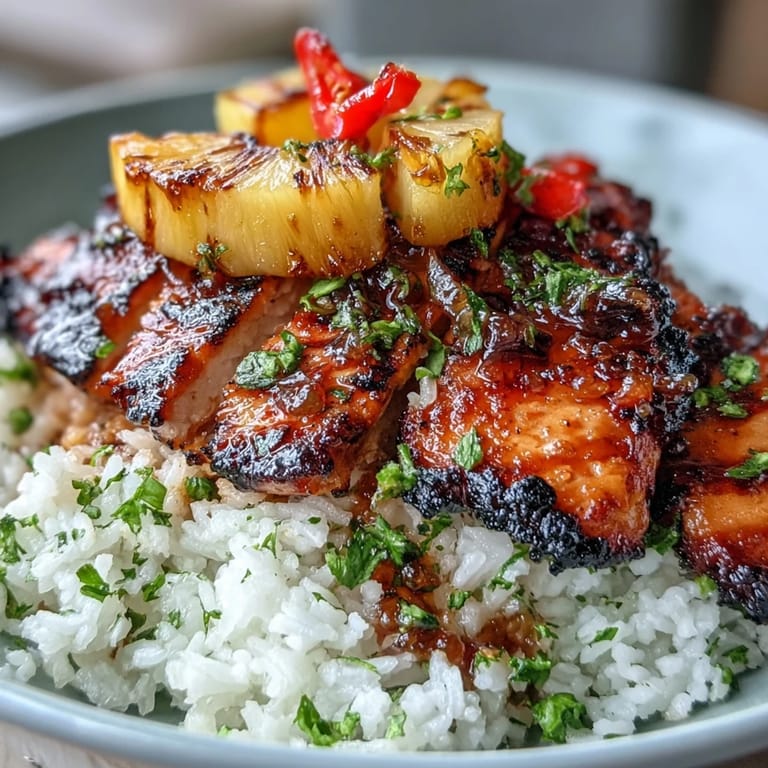 Save
Save I made these for my best friend on the night she told me she was moving across the country, and we sat on the porch opening each hot packet like we were unwrapping a present. The gesture wasn't fancy or complicated, but it felt honest—like I was saying goodbye by feeding her something that tasted like summer and effort and care all at once.
Why Foil Packets Changed My Grilling Game
Before I understood foil packets, I grilled chicken breasts that often turned out dry on the edges while the center stayed slightly pink, and I blamed myself for rotating too much or leaving them on too long. Foil packets solved that problem instantly because steam creates an oven inside the foil, cooking everything evenly and gently; suddenly I could rely on the result instead of holding my breath and hoping. The vegetables also taught me something unexpected: they soften and sweeten in ways they don't when grilled directly on grates, where they either char before softening or stay slightly raw inside. Once you try cooking rice on a grill in a foil packet, you realize how much potential you've been missing.
Customization Without Chaos
The beauty of this dish is that you can assemble four completely different packets and grill them side by side without any extra effort. My partner hates peas so I swap his for broccoli; my friend who is spicy keeps a bottle of hot sauce at her place and drizzles it over before eating; my kids once requested teriyaki flavor so I swapped the marinade entirely and it worked beautifully. Building them family-style on a clean counter with small bowls of components means everyone gets exactly what they crave, and nobody feels like they're being difficult or requiring special treatment.
Make Ahead Wisdom and Last-Minute Saves
You can assemble these packets completely in the morning and refrigerate them until dinner, which means the chicken softens slightly and the marinade penetrates deeper—a genuine advantage, not just a convenience. If you're short on time, at least make the marinade the night before so the flavors have time to marry and the ginger and garlic release their essential oils. The packets also forgive slight grill temperature fluctuations better than you'd expect, so if your grill runs a little cool or hot, just adjust timing by a few minutes rather than stressing.
- Heavy-duty foil is worth buying even if it costs slightly more, because regular foil tears and ruins the entire point of cooking en papillote.
- Taste your marinade before you seal the packets because salt in soy sauce varies wildly and it's your last chance to fix it.
- Don't skip the thermometer check on the chicken—it's the only way to know for certain it's cooked safely, and nobody wants food poisoning from a foil packet.
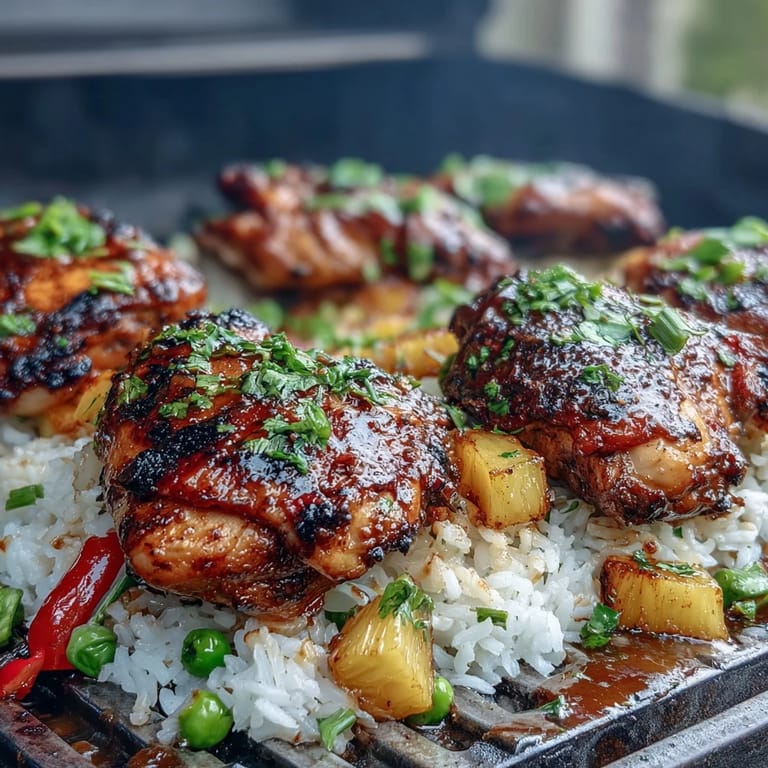 Save
Save This dish taught me that the most impressive meals often come from simplicity and steam rather than complexity and searing. Every time I make these packets, I'm reminded that feeding people well doesn't require showmanship or fuss—just attention and respect for the ingredients.
Recipe FAQs
- → What type of rice works best for foil packets?
Long-grain white rice is recommended as it cooks evenly and maintains a fluffy texture inside the foil packets.
- → Can I use chicken thighs instead of breasts?
Yes, chicken thighs can be used for a juicier result; adjust the grilling time slightly to ensure thorough cooking.
- → How do I prevent the foil packets from leaking?
Seal the edges tightly and double-wrap if needed to keep all juices inside during grilling.
- → Is it necessary to marinate the chicken before grilling?
Marinating enhances flavor but is optional; even without marinating, the marinade added inside the packets infuses the ingredients well.
- → Can I substitute vegetables in this dish?
Absolutely, sugar snap peas can be swapped for broccoli florets or other crisp veggies depending on your preference.
- → What temperature should the grill be for cooking?
Preheat the grill to medium-high heat, approximately 400°F (200°C), for optimal cooking of the foil packets.