 Save
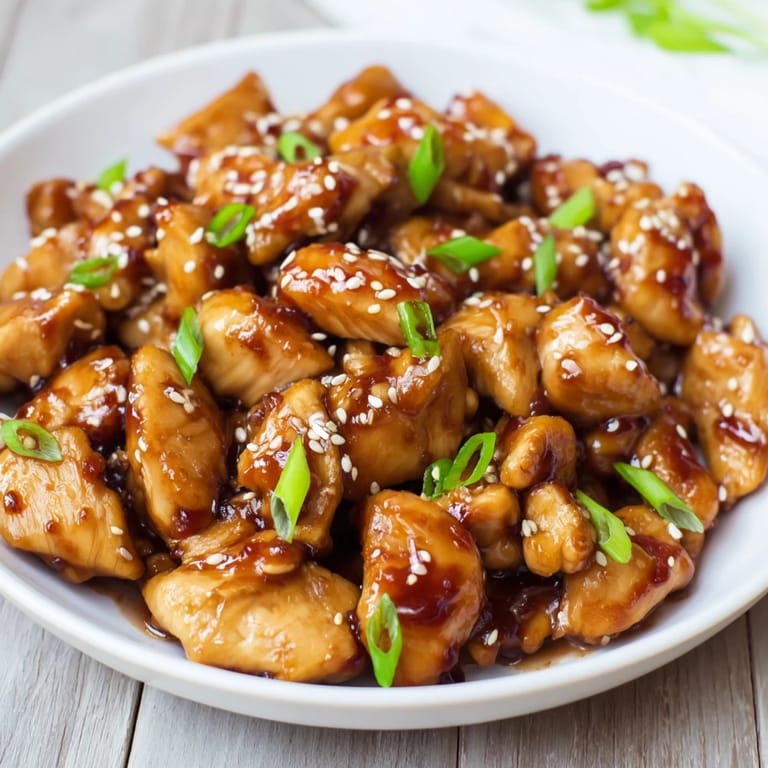
Save There's something about the sound of chicken hitting a hot skillet that makes me feel like I know what I'm doing in the kitchen, even when I'm just winging it. Years ago, a friend brought a bottle of sriracha to a dinner party and joked that it could fix anything, so naturally I dumped it into honey and threw it on chicken. The result was so sticky, so golden, so ridiculously good that I've been making it the same way ever since. It's the kind of recipe that tastes like you spent hours on it, but really you're just letting a few bold flavors do all the heavy lifting while you stand there looking competent.
I made this for my sister during a particularly rough week, and she sat at the counter eating straight from the pan, asking no questions, just quietly happy. That's when I knew this dish had crossed from "thing I cook" into "thing that actually matters." There's real comfort in food that tastes a little dangerous but feels completely safe.
Ingredients
- Boneless, skinless chicken breasts (4, about 600 g): Pat them dry before cooking—moisture is the enemy of that golden crust you're after.
- Salt and black pepper (1/2 tsp and 1/4 tsp): Don't skip seasoning the chicken itself; the glaze alone won't carry the flavor.
- Cornstarch (2 tbsp): This creates a light, delicate coat that helps the glaze cling without making things heavy.
- Honey (1/3 cup): The sweet counterbalance to all that heat; pick the kind you actually enjoy eating on its own.
- Sriracha sauce (2–3 tbsp): Start conservative and taste as you go—sriracha brands vary wildly in heat level.
- Soy sauce (2 tbsp): The umami backbone; don't swap it out for something lighter.
- Rice vinegar (1 tbsp): This keeps the glaze from becoming cloying and adds a subtle brightness.
- Garlic and ginger (2 cloves minced, 1 tbsp grated optional): Fresh is non-negotiable here; garlic powder won't capture the same magic.
- Lime juice (1 tbsp): The final spark that pulls all those flavors into focus.
- Vegetable oil (2 tbsp): Use something neutral that can handle high heat without smoking.
- Green onions and sesame seeds (for garnish): These aren't just decoration—they add texture and a finishing brightness that makes the dish feel intentional.
Tired of Takeout? 🥡
Get 10 meals you can make faster than delivery arrives. Seriously.
One email. No spam. Unsubscribe anytime.
Instructions
- Prep your chicken:
- Pat the breasts dry with paper towels, then season both sides generously with salt and pepper. Dust lightly with cornstarch and shake off the excess—you want a whisper of coating, not a heavy layer. This matters because it gives you that subtle texture without gumminess.
- Build your glaze:
- Whisk honey, sriracha, soy sauce, rice vinegar, minced garlic, ginger if you're using it, and lime juice in a small bowl. Taste it straight from the spoon and adjust the heat if you need to—this is your moment to make it yours.
- Sear the chicken:
- Heat oil in a large skillet over medium-high heat until it shimmers. Lay the chicken breasts in carefully and listen for that satisfying sizzle. Let them sit for 4–5 minutes without moving them, then flip and cook the other side until golden and cooked through. You'll know it's done when the internal temp hits 165°F or when it feels firm and springs back.
- Make the glaze magic:
- Transfer the chicken to a plate to rest. Reduce heat to medium, pour the glaze into the same skillet, and let it bubble gently for 2–3 minutes, stirring occasionally, until it thickens slightly and coats the back of a spoon. The heat will caramelize the edges and make everything smell incredible.
- Bring it all together:
- Return the chicken to the skillet and turn each piece until it's completely coated in glaze. Let it simmer for just 2 minutes more to make sure everything is heated through and the flavors have melded.
- Finish and serve:
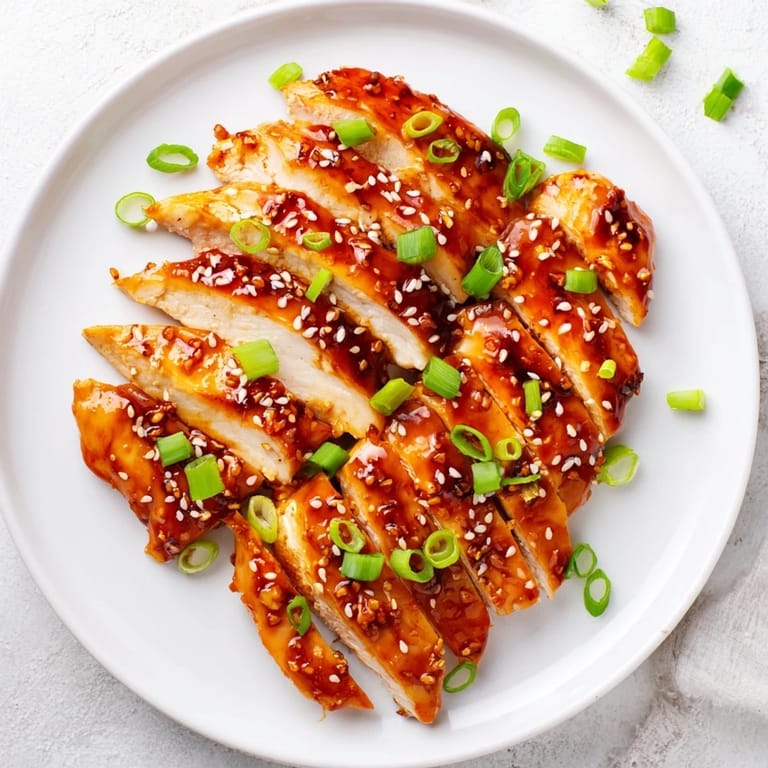
- Slice the chicken, pile it on a plate, drizzle extra glaze on top, and scatter green onions and sesame seeds across everything. The slight crunch of those seeds against the tender chicken and sticky glaze is the textural moment you've been working toward.
 Save
Save I've burned glaze before by letting it sit too long at high heat, and learned the hard way that medium is your friend here. There's something almost meditative about standing there, watching it bubble, knowing you're just minutes away from something genuinely delicious.
Why This Glaze Works
The magic isn't in any single ingredient—it's in how they fight and dance together. Honey wants to be sweet, sriracha wants to burn, soy sauce wants to be savory, and lime juice pulls everything into balance. That tension is exactly what keeps you from getting bored halfway through your plate. The ginger adds warmth, the garlic adds depth, and the vinegar keeps it all from becoming one-dimensional sticky sweetness.
Making It Your Own
This is one of those recipes that actually gets better when you fiddle with it. I've added grated ginger because I was feeling fancy, skipped it when I wasn't, thrown in red pepper flakes when I wanted more heat, and even swapped the lime for lemon when that's what I had. The structure is so solid that you can adjust the ratios and still end up with something worth eating.
What to Serve It With
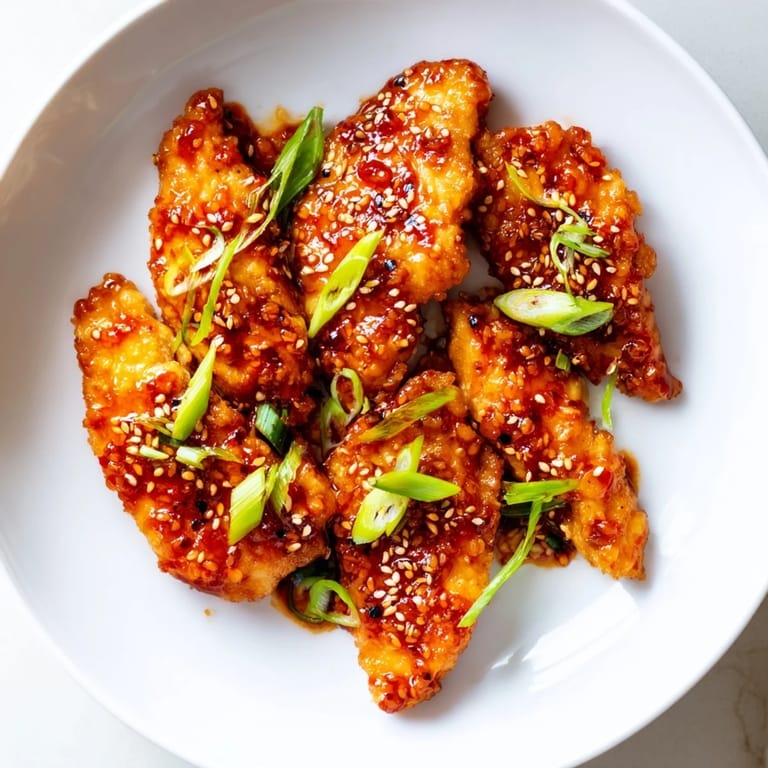
Jasmine rice is the obvious choice because it's gentle enough to let the chicken shine but substantial enough to soak up every drop of that glaze. I've also served it over steamed bok choy, beside roasted broccoli, and even on top of cauliflower rice when I was feeling virtuous. The sauce is so good that honestly, you could serve this over cardboard and people would eat it.
- Steamed jasmine rice catches all the extra glaze and makes each bite feel complete.
- Sautéed vegetables on the side add color and a subtle contrast to all that sweetness.
- Keep extra sauce on the table for people who, like me, think there's never quite enough.
 Save
Save This recipe has quietly become one of those dishes I make without thinking, the way other people order takeout. It's proof that you don't need fancy technique or strange ingredients to cook something that makes people happy.
Recipe FAQs
- → How do you achieve a sticky glaze on the chicken?
After sautéing the chicken, the glaze is simmered in the skillet until slightly thickened. Returning the chicken to the skillet and coating it allows the sticky texture to develop.
- → Can chicken thighs be used instead of breasts?
Yes, chicken thighs can substitute breasts and offer a juicier, richer flavor while following the same cooking method.
- → What adds heat to this dish?
Sriracha sauce provides the primary spicy kick. Additional heat can be introduced by adding red pepper flakes to the glaze.
- → Is there a gluten-free alternative for the soy sauce?
Tamari can be used instead of regular soy sauce to keep the dish gluten-free without compromising flavor.
- → What garnishes complement this dish?
Sliced green onions and toasted sesame seeds add freshness and a subtle crunch that enhance the overall dish.
- → What sides pair well with this chicken?
Steamed jasmine rice or sautéed vegetables are excellent accompaniments, balancing the sweet and spicy flavors.