 Save
Save There's a particular moment in my kitchen when everything clicks into place, and this tempeh stir-fry is exactly that. I discovered it one Tuesday evening when I was tired of the same rotation, standing in front of my open fridge with half a block of tempeh and whatever vegetables hadn't wilted yet. The sizzle that followed, the way the golden tempeh cubes caught the light, the aroma of ginger and garlic filling the small space—it felt less like cooking and more like solving a delicious puzzle. That night taught me that sometimes the best meals come from improvisation rather than planning.
I made this for my neighbor last spring when she mentioned she'd gone vegan but was tired of the same three recipes on repeat. Watching her face light up when she tasted it, seeing her ask for seconds, made me realize how much power there is in a simple, honest meal made with good technique. She's cooked it at least a dozen times since, and calls me occasionally with variations she's tried.
Ingredients
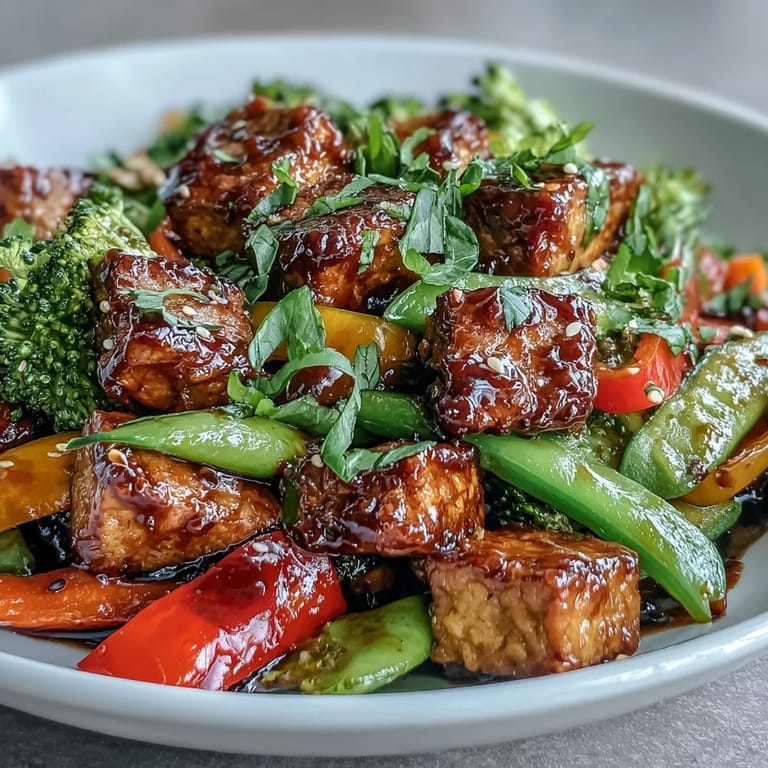
- Tempeh, 250 g cut into 1 cm cubes: This fermented soy product has a nutty, almost earthy flavor that deepens when you pan-fry it until the edges turn golden. I learned early on that cutting it into uniform cubes helps it cook evenly and get that desirable crispy exterior.
- Red and yellow bell peppers, sliced: They add natural sweetness and visual brightness, but more importantly, they stay crisp if you don't overcook them. I love using both colors because they cook at slightly different rates, keeping the dish interesting.
- Medium carrot, julienned: The thin slices cook quickly while keeping a slight snap in the center. Julienning takes an extra minute but makes all the difference in texture and how evenly the sauce coats everything.
- Sugar snap peas, 100 g trimmed: These are my secret weapon for texture—they're naturally sweet and stay crunchy even with a bit of heat.
- Broccoli florets, 100 g: Small florets work best; they cook through without becoming mushy and hold onto the sauce beautifully.
- Spring onions and fresh garlic and ginger: The garlic and ginger wake up your palate immediately, while spring onions add a fresh bite at the very end. I always add these last because heat mellows their sharpness.
- Soy sauce, 3 tbsp: Use tamari if you need gluten-free, and taste your sauce before adding it to the wok—soy sauce brands vary wildly in saltiness.
- Rice vinegar, water, maple syrup, sesame oil, and cornstarch: This combination creates a glossy, balanced sauce that clings to every piece without being too thick or too thin. The cornstarch is essential—it prevents the sauce from being watery.
- Vegetable oil, 2 tbsp total: High-heat oil like sunflower or canola won't smoke on you and lets the tempeh brown properly.
- Toasted sesame seeds and fresh cilantro, optional: These finish the dish with sophistication, but I've made this hundreds of times without them on nights when I'm out of either one.
Tired of Takeout? 🥡
Get 10 meals you can make faster than delivery arrives. Seriously.
One email. No spam. Unsubscribe anytime.
Instructions
- Prepare your sauce first:
- Whisk soy sauce, water, rice vinegar, maple syrup, sesame oil, and cornstarch together in a small bowl. Setting this aside before you start cooking means you won't be scrambling to mix it while everything is sizzling in the wok.
- Get your tempeh golden and proud:
- Heat 1 tablespoon of oil in a large wok or skillet over medium-high heat, then add tempeh cubes and let them sit for a minute or two before stirring. This patience gives them a chance to develop that nutty, crispy edge that makes all the difference.
- Build flavor with aromatics:
- Add the remaining oil, then immediately add garlic and ginger—they'll perfume your entire kitchen within thirty seconds. Don't walk away here; those thirty seconds are crucial before the garlic can start to burn.
- Introduce your vegetables in the right order:
- Toss in the harder vegetables first (peppers, carrot, broccoli, snap peas) and stir-fry for 4–5 minutes until they're just tender with still a bit of bite. You're looking for that moment where they've softened enough to be approachable but still have a snap when you bite them.
- Bring everything back together:
- Return the tempeh to the wok, give your sauce a quick stir to redistribute the cornstarch, then pour it in and toss everything for 1–2 minutes until the sauce thickens and coats everything evenly. The cornstarch will continue to thicken slightly as it cools, so don't overdo it.
- Finish with life and freshness:
- Stir in spring onions right at the end so they keep their crisp texture and sharp flavor. If you're using sesame seeds and cilantro, scatter them on top just before serving.
 Save
Save There was an afternoon when my friend's young daughter tried this for the first time after months of her parents worrying she wouldn't eat enough vegetables. She asked for seconds and then thirds, and somehow that simple act of a child enthusiastically eating broccoli felt like more than just dinner. It reminded me why I cook.
Why Tempeh Works Here
Tempeh isn't trying to pretend to be meat; it has its own distinct character that actually complements a stir-fry beautifully. The fermented soy base means it absorbs flavors while maintaining its own earthy notes, and when you pan-fry it properly, it develops a texture that's crispy outside and tender inside. I've watched people who were skeptical about plant-based cooking completely change their minds once they've tasted properly prepared tempeh.
Adapting This for What You Have
The beauty of a stir-fry is its flexibility, and I've made this with mushrooms instead of some vegetables on nights when I was out of certain colors. Zucchini works beautifully, baby corn adds crunch, and if you have fresh bok choy in your crisper, tear it up and add it near the end. The core technique stays the same: quick, high heat and vegetables that still have personality when you plate them. One winter I even added thin slices of sweet potato, which gave it an entirely different character while keeping everything balanced.
Serving and Pairing Ideas
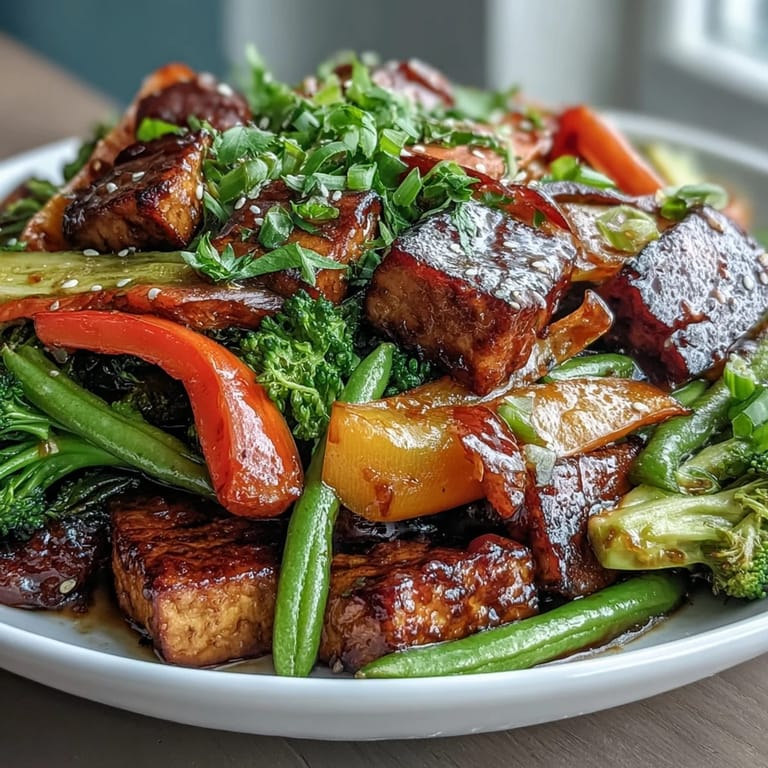
This shines over fluffy jasmine rice, but I've also served it over soba noodles, quinoa, and even cauliflower rice on nights when I wanted something lighter. The sauce is generous enough that it works with almost any grain you have on hand, and it's equally good eaten directly from a bowl as leftovers the next morning. Beyond rice or noodles, this is exceptional in a rice bowl with a soft-cooked egg on top, or wrapped in lettuce leaves for a completely different eating experience.
- Jasmine rice or soba noodles are the obvious choices, but brown rice, farro, or even crispy chow mein noodles work beautifully.
- If you're making this for someone who loves heat, have sriracha or chili flakes on the table so they can adjust the fire level to their preference.
- Leftovers keep well for three days in the fridge and actually taste better the next day once the flavors have had time to meld.
 Save
Save This recipe has become my comfort food for chaotic weeks, and also my go-to when I want to cook for someone and make them feel genuinely cared for. That's the real magic of it.
Recipe FAQs
- → Can I use tofu instead of tempeh?
Yes, firm tofu works well as a substitute. Press it first to remove excess moisture, then cut into cubes and follow the same cooking method. Tofu will have a milder flavor and softer texture compared to tempeh's nutty taste and firmer bite.
- → What other vegetables can I add?
This versatile dish works with almost any vegetables. Try adding baby corn, mushrooms, zucchini, bok choy, or snow peas. Adjust cooking times slightly—softer vegetables like zucchini need less time, while denser ones like carrots may need an extra minute or two.
- → How do I store leftovers?
Store in an airtight container in the refrigerator for up to 3 days. The vegetables will soften slightly but remain flavorful. Reheat in a skillet over medium heat or in the microwave. Add a splash of water if needed to loosen the sauce.
- → Can I make this gluten-free?
Absolutely. Simply replace the regular soy sauce with tamari or coconut aminos. Double-check that all other ingredients, particularly the cornstarch, are certified gluten-free. The rest of the dish is naturally gluten-free.
- → What should I serve with this stir-fry?
Steamed jasmine rice is the classic pairing, but brown rice, quinoa, or soba noodles also work beautifully. For a low-carb option, serve over cauliflower rice or enjoy it on its own as a satisfying, protein-rich meal.