 Save
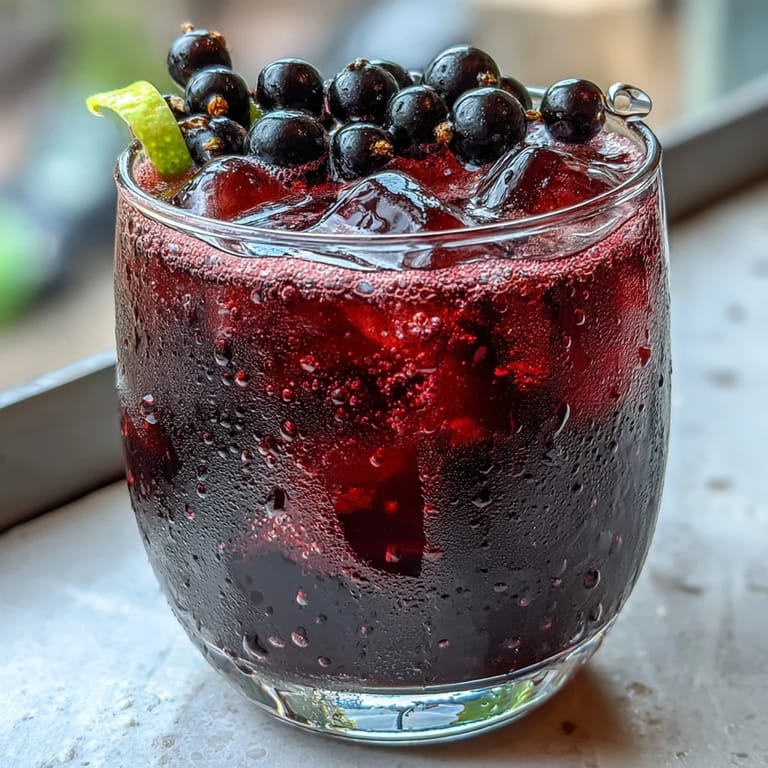
Save There's something almost alchemical about turning dark, glossy black currants into a bottle of liquid brightness. I stumbled onto shrub-making during a particularly rainy summer when a farmer's market haul sat in my fridge looking desperate, and I wondered if vinegar might be the answer rather than the problem. That first sip from a glass of sparkling water mixed with my homemade creation felt like bottling sunshine, tart and alive in a way nothing store-bought had managed.
My partner actually tasted this shrub before I did—I was in the middle of explaining what I'd done when she poured herself a glass and raised her eyebrow in that way that means she's about to be honest. "This is seriously good," she said, which coming from someone who usually sticks to plain water felt like winning something. Since then it's become our go-to for those afternoons when we want something with actual flavor but don't want to crack open wine.
Ingredients
- Fresh or frozen black currants (1 cup, 150 g): The star of this whole operation—their tartness and slight earthiness create that sophisticated edge that makes people ask what you're drinking. Frozen work just as well as fresh, which I learned the hard way when my fresh batch started to age and I panicked, only to discover the frozen version extracted juice just fine.
- Granulated sugar (1 cup, 200 g): This isn't just about sweetness; it's what coaxes the currants to release their liquid gold through osmosis, so don't skip the maceration step or you'll end up with something oddly thin.
- Apple cider vinegar or red wine vinegar (1 cup, 240 ml): The backbone that transforms fruit syrup into something complex and crave-able. Apple cider vinegar plays nice and doesn't overshadow, while red wine vinegar deepens the color and adds a wine-like sophistication.
Tired of Takeout? 🥡
Get 10 meals you can make faster than delivery arrives. Seriously.
One email. No spam. Unsubscribe anytime.
Instructions
- Combine and Crush:
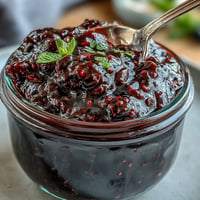
- Dump your black currants and sugar into a bowl or jar and stir until they look like you've gently roughed them up. You're not making jam here, just encouraging the berries to weep their precious juice.
- Let Time Do the Work:
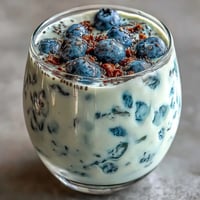
- Cover everything and slide it into the fridge for a full day or two, stirring whenever you remember. You'll watch the sugar dissolve and the liquid deepen to an almost black-red—this is the moment when you realize you're actually making something.
- Separate the Liquid Gold:
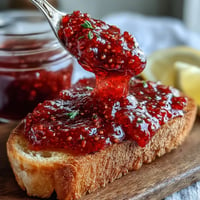
- Strain through a fine mesh sieve or cheesecloth, pressing the berries gently to coax out every last drop of syrup. What you're left with is pure fruit essence, and the solids go to the compost feeling like they've served their purpose.
- Meet the Vinegar:
- Pour your fruit syrup into a clean jar and add the vinegar, stirring until they're married into one thing. The smell that rises up is sharp and sweet at once, a little bracing but in the best way.
- The Final Wait:
- Seal it up and refrigerate for at least another day while the flavors get to know each other. This is when the shrub stops being just fruit and vinegar and becomes something with its own personality.
- Serve with Joy:
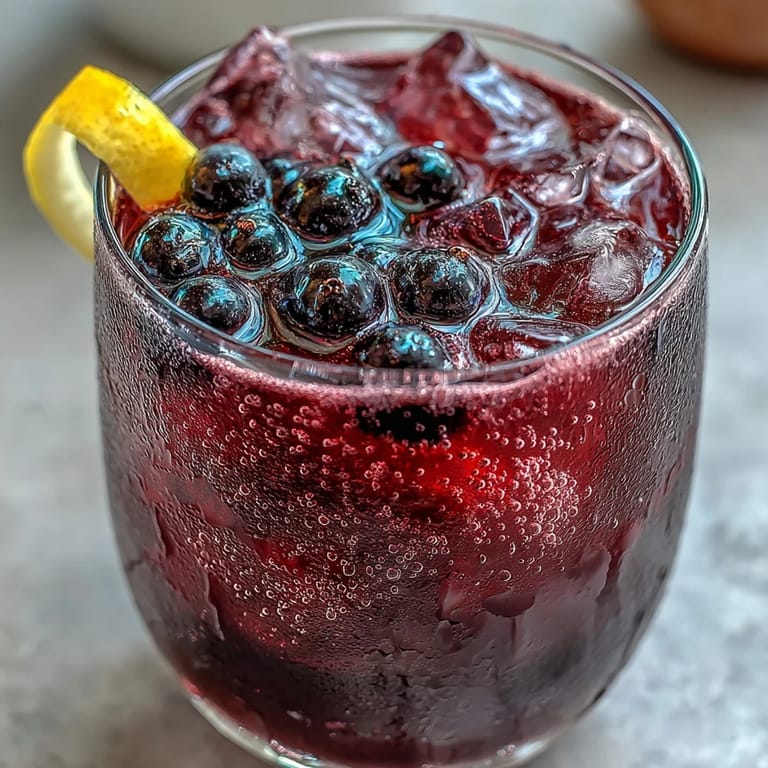
- Mix 1 to 2 tablespoons with sparkling water, still water, or into a cocktail, and taste as you go. Everyone's vinegar tolerance is different, so adjust until it sings for your particular palate.
 Save
Save Last month someone showed up at my door with a bottle of store-bought shrub they'd driven across town to find, saying mine had ruined them for anything else. I felt embarrassed and proud in equal measure, the way you do when something you made casually has somehow become the standard people compare everything else against.
Choosing Your Vinegar Wisely
The vinegar you pick shapes the whole personality of the shrub, and I learned this through some trial and error. Apple cider vinegar keeps things approachable and bright, letting the black currant shine without any aggressive edges, while red wine vinegar adds this deeper, almost wine-like complexity that makes it feel like you're sipping something with actual history. I've found that for cocktails, the red wine version wins, but for sparkling water on a hot day, apple cider is unbeatable.
The Maceration Window and Patience
There's a sweet spot in those first couple of days where you can feel the sugar slowly pulling juice from the berries if you pay attention, and stirring occasionally keeps the process moving forward. The moment you open the jar and see that dark liquid pooling around the fruit is oddly satisfying, like the shrub is already becoming itself before you've even added the vinegar. Don't rush through this phase or peek too often—each time you stir, you're gently reminding the berries to give up their goods, and it all adds up.
Storage and Keeping
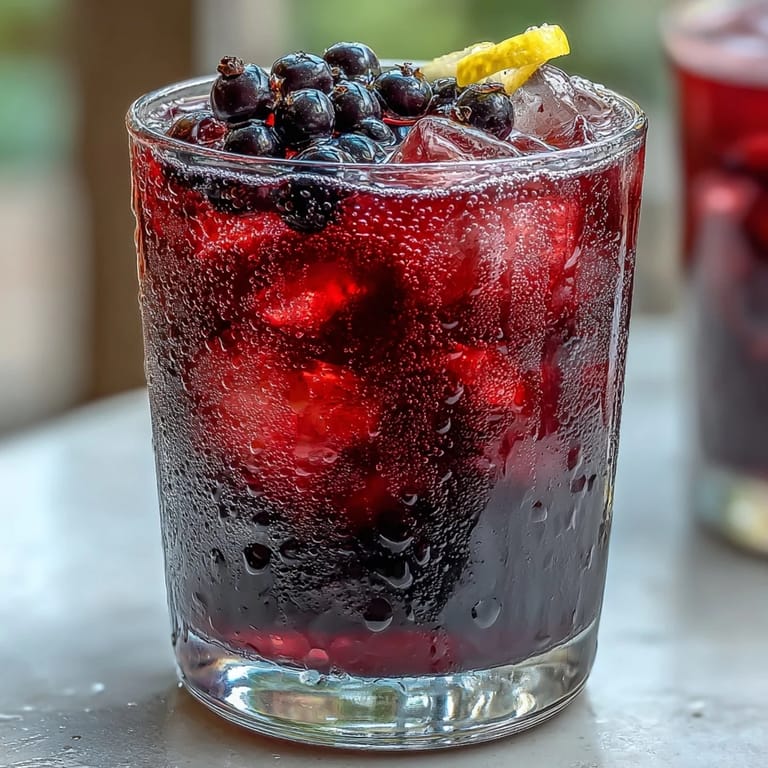
Once you've made this shrub, it sits contentedly in the fridge for up to three months, which means you can make a batch in summer when currants are plentiful and sip it well into fall. The flavor actually deepens a bit over time, becoming slightly more integrated and complex, so there's no rush to finish it the moment it's ready. I've found that keeping it in a nice glass bottle makes you more likely to reach for it—something about beautiful packaging makes a regular Tuesday afternoon feel a little more intentional.
- Store in a sealed glass jar or bottle in the coldest part of your fridge to keep it fresh and lively.
- If you notice any mold or strange smell, trust your instincts and start fresh; shrub is forgiving but not magical.
- Label it with the date you made it so you don't accidentally wonder how old it is in three months.
 Save
Save This shrub is your secret weapon for making ordinary days taste a little bit extraordinary. Once you've made it once, you'll find yourself thinking about it at odd moments and wanting to share it with people you care about.
Recipe FAQs
- → What is a shrub?
A shrub is a concentrated syrup made from fruit, sugar, and vinegar. This traditional preservation method creates a tangy-sweet flavor profile that works beautifully in both alcoholic and non-alcoholic beverages.
- → How long does black currant shrub last?
Properly stored in a sealed container in the refrigerator, black currant shrub will keep for up to three months. The vinegar acts as a natural preservative, maintaining both flavor and quality throughout its storage life.
- → Can I use frozen black currants?
Frozen black currants work perfectly for shrub-making. Thaw them slightly before combining with sugar, and proceed with the recipe exactly as written. Frozen fruit may actually release juices more readily during maceration.
- → What's the difference between apple cider and red wine vinegar?
Apple cider vinegar offers milder, fruitier acidity that complements the black currants without overpowering them. Red wine vinegar provides deeper, more robust flavor with earthy undertones. Both work well—choose based on your preferred intensity.
- → How much shrub should I use per serving?
Start with 1 to 2 tablespoons of shrub per 8 ounces of still or sparkling water. Adjust to taste—the concentration allows flexibility based on personal preference for sweetness and acidity. For cocktails, use as a modifier to taste.
- → Can I substitute other sweeteners?
Honey or maple syrup work beautifully as alternatives to granulated sugar. Honey adds floral notes and may require slightly more stirring to dissolve fully. Maple syrup contributes subtle caramel flavors that pair nicely with black currants.