 Save
Save My neighbor brought over a ham one December, apologizing because she'd overbaked it slightly and worried it might be dry. While she fretted, I was already rummaging through her pantry, spotting a jar of black currant preserves and thinking about how vinegar and mustard could balance all that sweetness. Twenty minutes later, the kitchen smelled like a fancy restaurant, and that ham became the star of our makeshift dinner. That's when I realized this glaze was going to become my secret weapon.
I made this glaze for my partner's family Easter dinner, and their teenage daughter actually asked for the recipe, which in that house is basically a standing ovation. By the end of the meal, we'd used it on pork, on roasted carrots, and even drizzled it over Brussels sprouts. Watching people reach for seconds of vegetables because of a glaze felt like quiet kitchen magic.
Ingredients
- Black currant preserves: This is your foundation, bringing a deep, complex sweetness that regular jam can't touch; don't skip quality here because you'll taste every bit of it.
- Balsamic vinegar: It's the reason this glaze doesn't cloy; the sharpness wakes everything up and adds that restaurant-quality depth.
- Honey: A touch of this keeps the glaze smooth and helps it cling to whatever you're brushing it on.
- Dijon mustard: This might sound odd, but it's the secret that makes people wonder what you're doing differently; it adds a subtle sharpness and helps emulsify everything.
- Unsalted butter: Just a couple tablespoons give the glaze body and a silky finish that separates this from a runny sauce.
- Brown sugar: This deepens the color and adds a molasses note that plays beautifully against the tartness.
- Fresh thyme: If you have it, this little handful of leaves adds an earthy whisper that makes the whole thing feel intentional.
- Black pepper and salt: These aren't afterthoughts; they balance the sweetness and remind your palate this is sophisticated, not candy.
Tired of Takeout? 🥡
Get 10 meals you can make faster than delivery arrives. Seriously.
One email. No spam. Unsubscribe anytime.
Instructions
- Gather and prep your ingredients:
- Pull everything out and measure it before you start heating anything; this glaze comes together so quickly that fumbling for the honey mid-way will throw off your timing.
- Combine the glaze base:
- In a small saucepan, dump the black currant preserves, balsamic vinegar, honey, Dijon mustard, butter, and brown sugar together. You're going for a sauce that looks a bit rough at first, which is exactly right.
- Melt and smooth:
- Set the heat to medium and stir constantly as the butter melts, breaking up any lumps in the preserves until you have something that moves as one cohesive mixture. It should take about 2 to 3 minutes, and you'll know it's ready when there are no streaks of unmixed jam.
- Season and simmer:
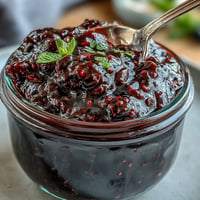
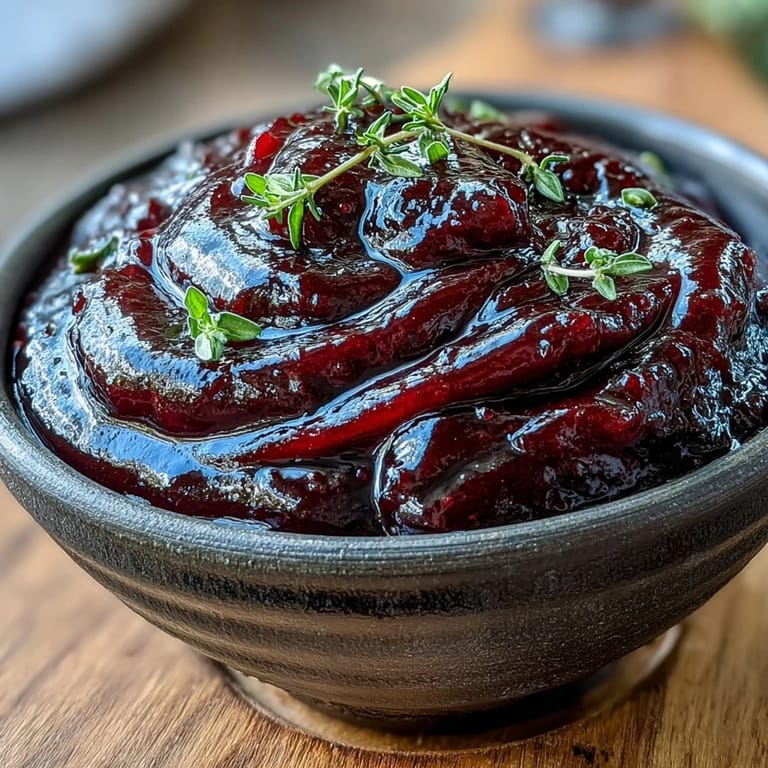
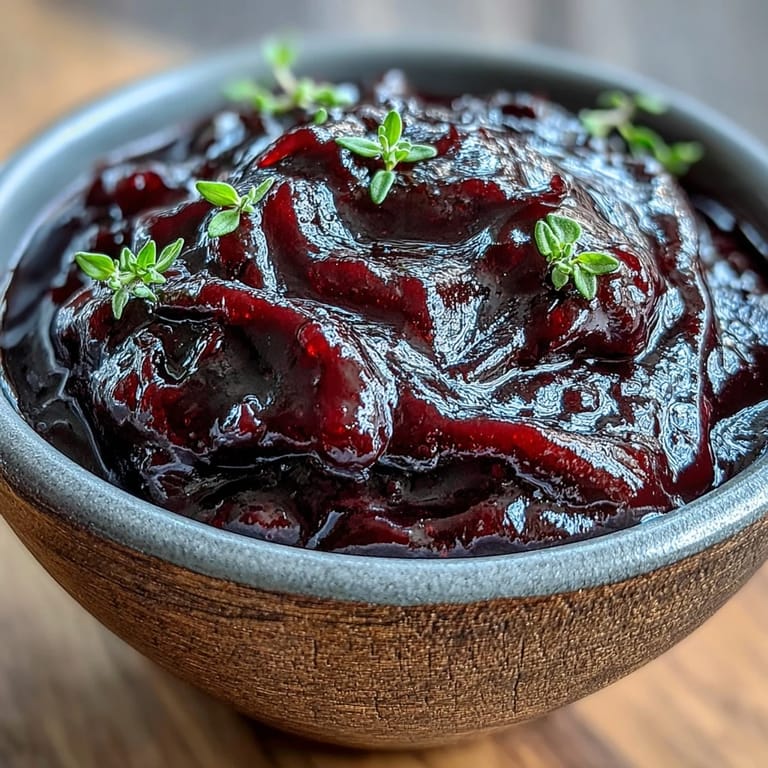
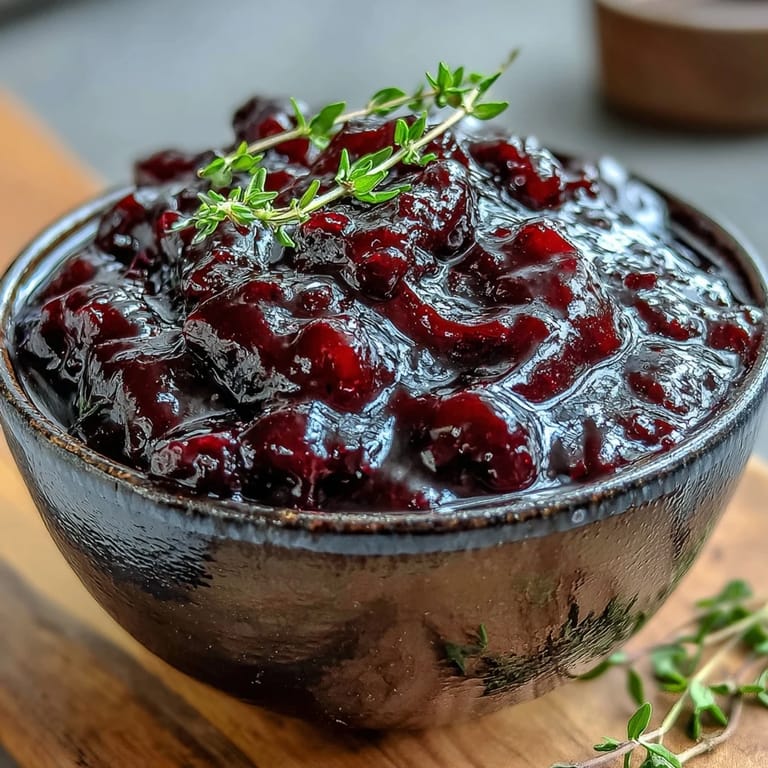
- Scatter in your thyme leaves, black pepper, and a small pinch of salt, then let everything bubble gently for 5 to 7 minutes, stirring every minute or so. The glaze will darken slightly and become glossy, and when you run a spoon through it, the path should stay open for a beat before closing back in.
- Finish and use:
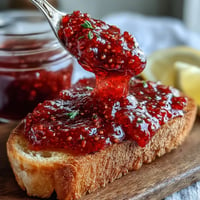
- Once it reaches that glossy stage, pull it off the heat immediately because it thickens more as it cools. Brush it onto your meat or vegetables in those last 20 to 30 minutes of cooking, or serve it alongside as a sauce.
 Save
Save There was a moment during a dinner party when someone said the ham tasted like it came from a restaurant, and my friend just smiled and pointed at me with her fork. In that instant, I understood that good cooking isn't always about complexity; sometimes it's just about knowing how to balance a few perfect things together.
When Black Currant Meets Meat
This glaze was made for pork, but it's equally at home on duck, chicken, or even lamb if you're feeling bold. The tartness of the currants cuts through rich, fatty meats in a way that feels almost like a natural pairing, and I've found that it works best on proteins that can handle a bit of sweetness without getting overwhelmed. Roasted root vegetables like carrots, parsnips, and beets take on a completely different character under this glaze, becoming almost candied while keeping their savory edge.
Storage and Keeping
You'll have leftovers, and they're honestly a gift to your future self because this keeps beautifully in the fridge for a week. I've reheated it gently on the stove for glazing vegetables mid-week, and I've also spooned cold leftovers over cream cheese on crackers, which is an entirely different but equally delicious use. The flavors actually meld and deepen as it sits, so tomorrow's glaze is sometimes better than today's.
Variations and Substitutions
If black currant preserves don't live in your pantry (and honestly, most home cooks don't stock them), red currant jam, cherry, or even raspberry work beautifully with this technique; the character shifts slightly but the balance stays intact. I once made this with fig jam on an impulse and it was sultry and sophisticated, perfect for duck. The ratio and method stay the same, so feel free to improvise based on what you have or what flavors are calling to you.
- Try adding a teaspoon of fresh ginger or a pinch of cayenne if you want to push the glaze in a spicier direction.
- A splash of brandy or red wine added after you pull it off the heat adds depth and a whisper of elegance.
- Fresh rosemary can swap in for thyme if that's what's growing in your garden or sitting in your fridge.
 Save
Save This glaze reminds me that sometimes the best dishes come from standing in someone else's kitchen, spotting an ingredient, and trusting your instincts. Make it, and it'll become one of those recipes you reach for again and again.
Recipe FAQs
- → What dishes pair best with black currant glaze?
This glaze complements roasted pork, chicken, duck, ham, and root vegetables exceptionally well. The tangy-sweet flavor cuts through rich meats while adding caramelized depth.
- → Can I make this glaze ahead of time?
Yes, prepare the glaze up to one week in advance and store in a sealed jar in the refrigerator. Gently reheat before brushing onto your dishes.
- → How do I achieve the best consistency?
Simmer for 5-7 minutes until thickened and glossy. For an extra smooth texture, strain through a fine mesh sieve before using. The glaze should coat the back of a spoon.
- → What can I substitute for black currant preserves?
Red currant or cherry preserves work beautifully as alternatives, maintaining the tart fruit profile while offering slightly different flavor notes.
- → When should I apply the glaze during cooking?
Brush during the last 20-30 minutes of roasting to allow the glaze to caramelize without burning. The sugars create a beautiful, sticky finish.
- → Is this glaze suitable for dietary restrictions?
This glaze is naturally vegetarian and gluten-free. For dairy-free needs, substitute the butter with your preferred plant-based alternative.