 Save
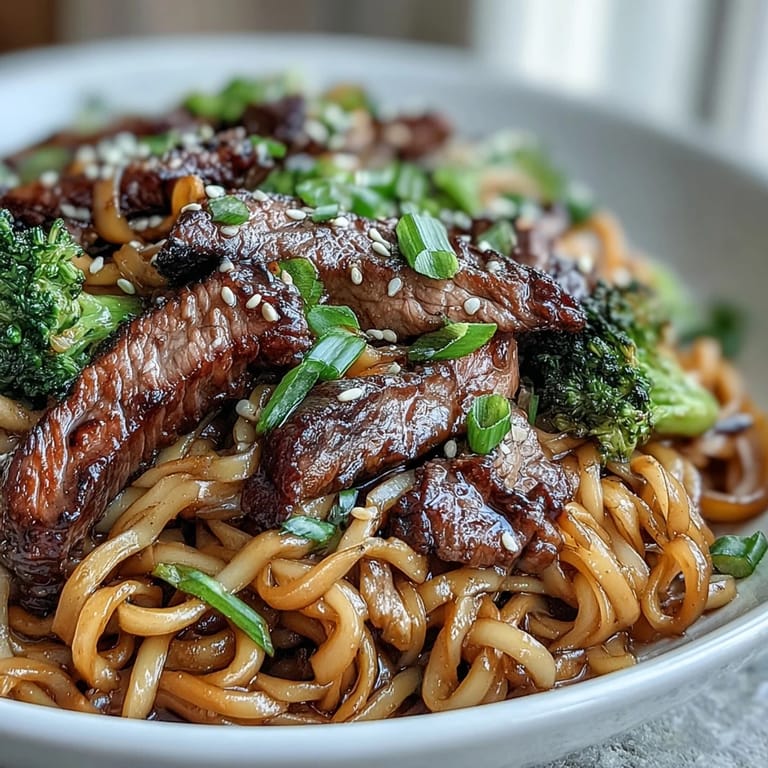
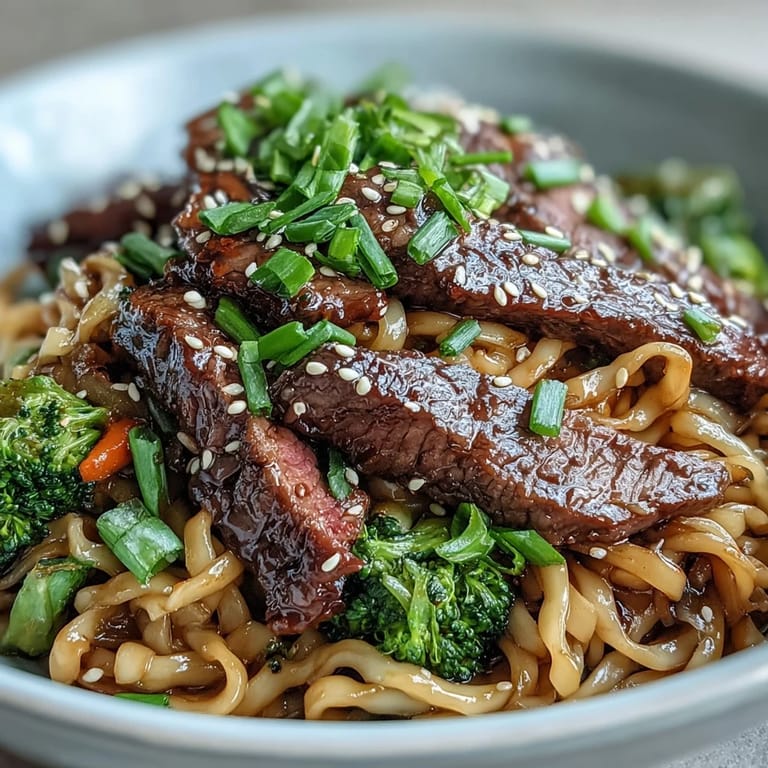
Save My neighbor tapped on the door one rainy Thursday with a takeout container of something glossy and fragrant that she swore would change my weeknight routine. She was right. That first bite of sweet-savory beef tangled with silky noodles sent me straight to the grocery store the next morning, scribbling down every ingredient she rattled off over text. Now this skillet is my answer to those evenings when I want something that tastes like I fussed, but really just let the garlic and ginger do the talking.
I made this for my brother the night he helped me move furniture, and he ate two bowls standing at the counter. He kept lifting forkfuls to the light, marveling at how the sauce caught the kitchen lamp, then asked if I'd written the recipe down. I hadn't yet, but I did that night, jotting notes on the back of a grocery receipt while he loaded the dishwasher. It has been my go-to thank-you dinner ever since.
Ingredients
- Rice noodles: These cook up silky and slippery, perfect for soaking up the sauce without getting heavy or gummy.
- Flank steak: Slicing it thin against the grain keeps every bite tender, and it browns beautifully in a hot skillet.
- Broccoli florets: They add a satisfying crunch and soak up the savory glaze while staying bright green.
- Bell pepper: Red or yellow peppers bring a sweet pop of color and a slight char when stir-fried.
- Carrot: Julienned carrots cook quickly and add a hint of natural sweetness that balances the soy.
- Green onions: Chopped fresh at the end, they bring a sharp, grassy brightness that wakes up the whole bowl.
- Garlic: Minced garlic blooms in hot oil and perfumes the entire skillet, setting the foundation for every layer of flavor.
- Ginger: Grated ginger adds a warm, peppery note that pairs perfectly with the garlic and makes the kitchen smell incredible.
- Soy sauce: The salty backbone of the sauce, it brings umami depth and a glossy sheen.
- Brown sugar: A little sweetness rounds out the soy and helps the sauce cling to the noodles.
- Sesame oil: Just a tablespoon adds a nutty, toasty aroma that makes the dish taste authentically Korean-inspired.
- Vegetable oil: High heat tolerant and neutral, it is perfect for stir-frying without overpowering the other flavors.
- Sesame seeds: A final sprinkle adds a delicate crunch and a hint of toasted nuttiness.
Tired of Takeout? 🥡
Get 10 meals you can make faster than delivery arrives. Seriously.
One email. No spam. Unsubscribe anytime.
Instructions
- Prep the noodles:
- Cook the rice noodles according to the package directions, then drain and rinse them under cool water to stop the cooking. This keeps them from clumping while you work on everything else.
- Sear the beef:
- Heat vegetable oil in a large skillet or wok over medium-high heat until it shimmers, then add the thinly sliced flank steak in a single layer. Let it sear undisturbed for about 2 minutes until browned, then flip and cook another minute before removing it to a plate.
- Bloom the aromatics:
- In the same skillet, toss in the minced garlic and grated ginger, stirring constantly for about 30 seconds until the kitchen smells like a street market. Do not let them burn or they will turn bitter.
- Stir-fry the vegetables:
- Add the broccoli, bell pepper, and julienned carrot to the skillet, tossing them every minute or so. Cook for about 5 minutes until they are tender but still have a little snap.
- Mix the sauce:
- While the vegetables cook, whisk together the soy sauce, brown sugar, and sesame oil in a small bowl until the sugar dissolves completely. The sauce should look glossy and smell sweet and savory.
- Combine beef and sauce:
- Return the seared beef to the skillet, pour the sauce over everything, and stir to coat. Let it bubble for a minute so the flavors meld together.
- Toss in the noodles:
- Add the cooked rice noodles to the skillet and gently toss everything together with tongs or a spatula. Work carefully so the noodles do not break, and heat through for about 2 minutes until every strand is glossy.
- Garnish and serve:
- Sprinkle chopped green onions and sesame seeds over the top, then serve immediately while everything is still steaming. The contrast of the fresh onions against the warm noodles is perfect.
 Save
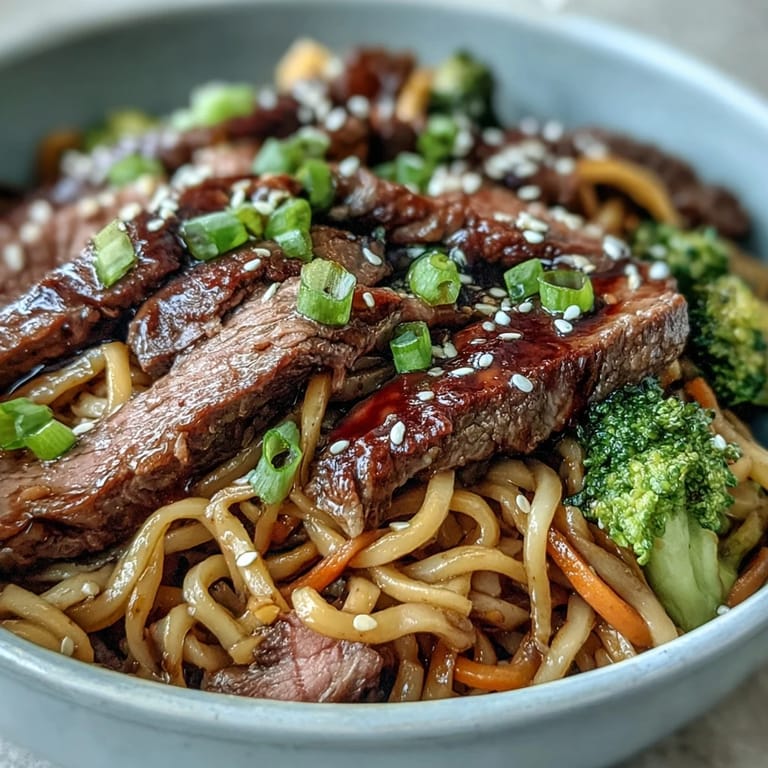
Save One winter evening, I set this bowl in front of my friend who had just driven three hours through a snowstorm to visit. She took one bite, closed her eyes, and said it tasted like warmth itself. We ate in silence for a few minutes, the only sound the clink of forks and the hum of the heater, and I realized some meals do not need conversation to feel like a hug.
How to Slice Flank Steak Properly
I used to hack at flank steak like I was splitting firewood until a butcher showed me the grain runs in visible lines along the meat. Now I place the steak on a cutting board, identify which way those fibers run, then turn my knife perpendicular and slice thin strips straight across them. Each piece ends up tender instead of stringy, and it only takes an extra ten seconds of attention.
Choosing the Right Noodles
Rice noodles are my preference here because they stay slippery and light, but I have also used soba or even angel hair pasta in a pinch. The key is to slightly undercook them if you plan to toss them in the hot skillet, because they will soften more as they absorb the sauce. I learned this after turning a batch into mush by following the package time exactly, then letting them sit in the pan too long.
Making It Your Own
This recipe is forgiving enough to handle whatever vegetables are wilting in your crisper drawer. I have thrown in snap peas, zucchini, mushrooms, and even shredded cabbage, and every version turned out delicious. If you want heat, stir a spoonful of gochujang or a squirt of sriracha into the sauce before pouring it over the beef.
- Try chicken thighs or tofu if you want to skip the beef entirely.
- Double the sauce if you like your noodles extra glossy and saucy.
- Leftovers reheat beautifully in a skillet with a splash of water to loosen everything up.
 Save
Save This bowl has become my measure of a good week, the kind of meal that resets everything with its balance of sweet, savory, and just enough bite. I hope it does the same for you.
Recipe FAQs
- → What cut of beef works best?
Flank steak is ideal because it's lean and takes on flavors beautifully when sliced thinly against the grain. Skirt steak or sirloin make excellent alternatives if flank isn't available.
- → Can I make this spicy?
Absolutely. Stir in sriracha for a quick heat boost, or add gochujang (Korean chili paste) for authentic depth and complexity. Start with one teaspoon and adjust to your preference.
- → How do I prevent rice noodles from sticking?
Rinse cooked noodles under cold water after draining to remove excess starch. Toss them with a teaspoon of sesame oil before adding to the skillet, and they'll stay separate and silky.
- → What vegetables can I substitute?
Snap peas, zucchini, shiitake mushrooms, baby corn, or bok choy work wonderfully. The key is maintaining similar cooking times, so add quicker-cooking vegetables like snow peas last.
- → Can this be made ahead?
Yes, leftovers keep beautifully for up to 3 days in the refrigerator. Store noodles separately from the beef and vegetables to prevent sogginess, then reheat gently with a splash of water.
- → Is this gluten-free?
Use certified gluten-free rice noodles and tamari instead of soy sauce. Double-check all sauces and seasonings to ensure they meet your dietary needs.