 Save
Save There's something about the smell of citrus meeting hot rosemary that stops you mid-stride in the kitchen. I discovered this combination almost by accident one November when I grabbed an orange instead of a lemon, and suddenly my usual roasted chicken felt entirely new. The brightness cuts through the richness of the bird in a way that feels both elegant and completely unfussy, like the dish knows exactly what it's doing without trying too hard.
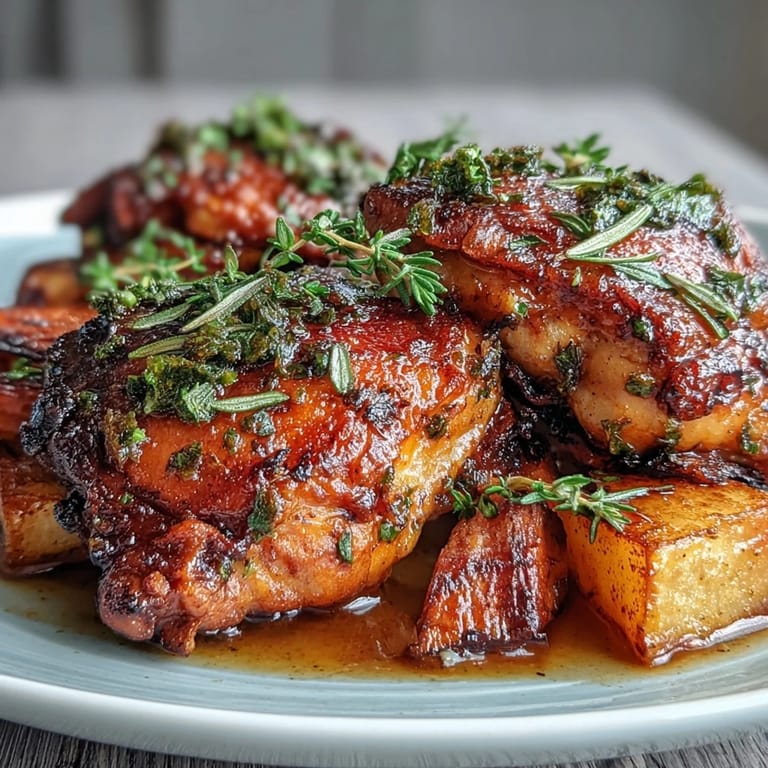
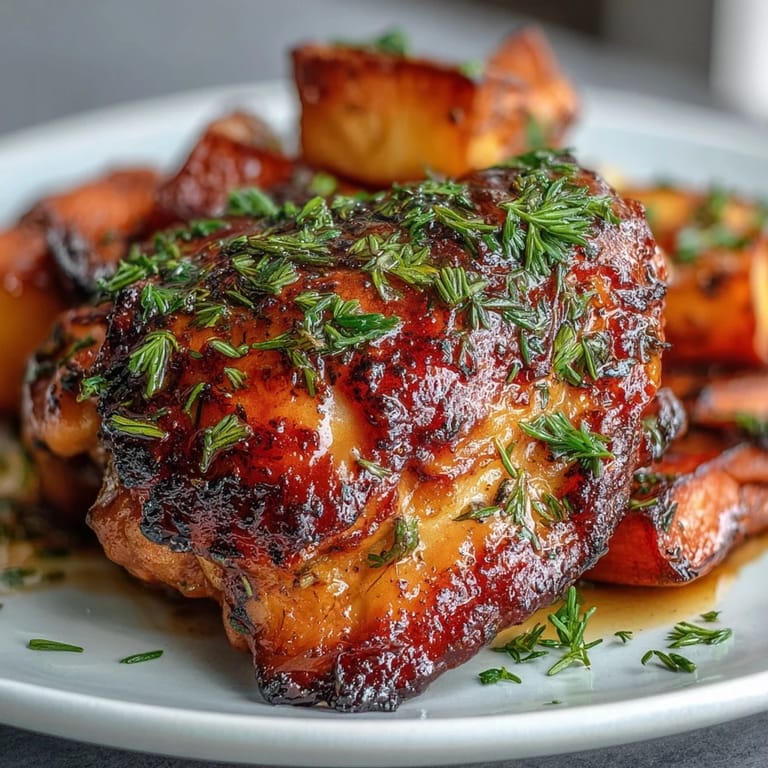
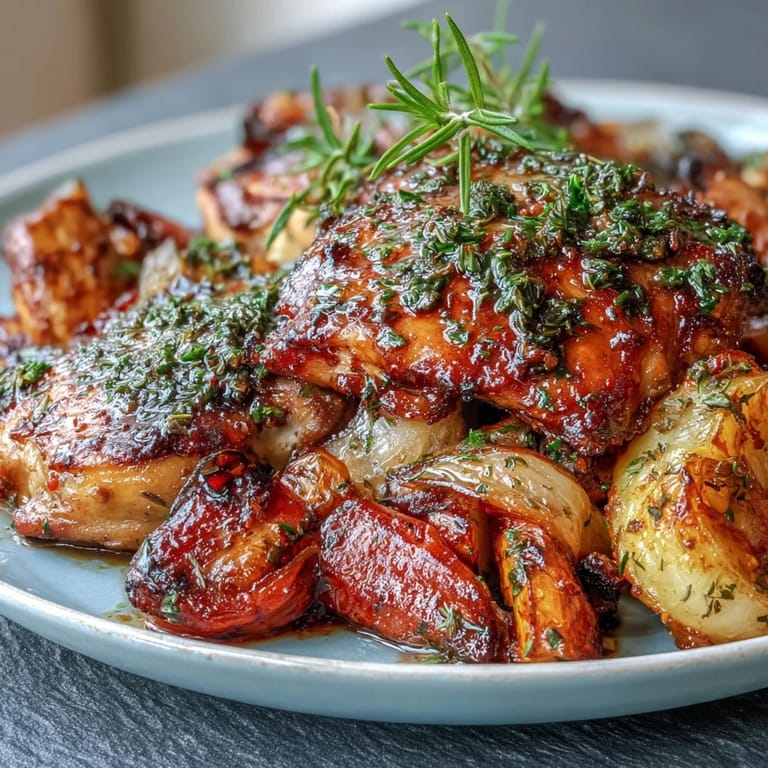
Last spring I made this for my neighbors who had just moved in, and I remember how quiet the kitchen got while it roasted. The whole house filled with this warm, herbal cloud, and by the time they arrived, I'd already gotten three messages asking what smelled so good. Pulling it from the oven and seeing those vegetables bronzed and glossy around the golden chicken felt like the dish had done most of the work itself, which somehow made me feel like a better cook than I actually am.
Ingredients
- 1 whole chicken (about 1.5 kg / 3.3 lbs), giblets removed: Choose one that still has some give when you press it, not rock-solid frozen if you can help it, because it'll cook more evenly and stay juicier.
- 2 oranges (zested and juiced): The zest does most of the flavor-lifting, so don't just squeeze and toss—use a microplane and really get those oils out.
- 3 tbsp olive oil: This becomes the base that carries everything, so use something you actually like tasting, not the cheapest bottle.
- 4 garlic cloves, minced: Fresh garlic only here, because jarred just tastes like regret once it hits the heat.
- 2 tbsp fresh rosemary, chopped: The backbone of the whole thing—strip the leaves from the stem and chop them small so they don't feel like little twigs.
- 1 tbsp fresh thyme leaves: These tiny leaves add a whisper of earthiness that balances the citrus brightness.
- 1 tbsp fresh parsley, chopped: Mostly for freshness and color, but it softens the intensity of the rosemary in a way that feels kind.
- 1 tsp salt and ½ tsp black pepper: Season boldly because the chicken is big and needs it to really sing.
- 3 medium carrots, peeled and cut into 2-inch pieces: Larger chunks mean they'll caramelize instead of turning into mush by the time the chicken finishes.
- 2 parsnips, peeled and cut into 2-inch pieces: Their natural sweetness is why this dish feels a little special without being fussy.
- 2 medium potatoes, cut into chunks: These soak up every bit of those pan juices and become almost creamy inside.
- 1 large red onion, cut into wedges: The layers will peel apart beautifully and turn glossy and tender, almost melting into the vegetables below.
- 1 small sweet potato, peeled and cut into chunks: A small amount adds just enough sweetness to make the whole roasting pan feel complete and balanced.
Tired of Takeout? 🥡
Get 10 meals you can make faster than delivery arrives. Seriously.
One email. No spam. Unsubscribe anytime.
Instructions
- Set your oven up for success:
- Preheat to 400°F and give it those extra minutes to actually reach temperature, because a properly hot oven is what gives you that golden, crackling skin.
- Build the marinade:
- Mix orange zest, juice, olive oil, minced garlic, and all those fresh herbs together in a small bowl—the smell alone should tell you this is going to be good. Don't skip the step of really combining everything so the flavors are distributed, not floating separately.
- Prepare your chicken:
- Pat it completely dry with paper towels because that's what makes the skin crisp up instead of steam. Rub half the marinade all over the bird, working it under the skin on the breasts and thighs where it'll actually flavor the meat, then stuff the cavity with orange peels and a couple herb sprigs if you're feeling generous.
- Build your vegetable base:
- Toss all your root vegetables and red onion wedges with the remaining marinade in a large roasting pan, then spread them in an even layer. This becomes your flavor foundation and also keeps the chicken from sticking to the pan.
- Position and roast:
- Place the chicken breast-side up on top of the vegetables and slide the whole thing into that hot oven. After about 40 minutes, pull it out and baste the chicken with the pan juices using a spoon or brush—this step is what keeps it moist and helps develop that deep golden color.
- Check for doneness:
- After 1 hour and 20 minutes total, use a meat thermometer to check the thickest part of the thigh, which should read 165°F. The skin should be deeply golden and a little crackly, not pale or soft.
- Rest before serving:
- Tent it loosely with foil and let it sit for 10 minutes—this lets the juices redistribute instead of running all over your cutting board. This small pause is the difference between chicken that's juicy and chicken that's dry.
 Save
Save My daughter once asked why this chicken tasted happy, which is the kind of observation that makes you realize cooking isn't really about technique at all—it's about how the people eating it feel when they taste it. That question stuck with me more than any recipe card ever could.
Why Fresh Herbs Make All the Difference
Dried herbs would taste flat and dusty in comparison, turning what should be a bright, fresh dish into something that feels tired. Fresh rosemary, thyme, and parsley bring a kind of vitality that costs nothing extra but changes everything—and honestly, this is one of those recipes where you'll taste the difference immediately and understand why restaurants never cut corners here.
The Orange Juice Secret
Beyond flavor, the acid in the juice tenderizes the chicken and keeps everything moist in a way that butter or cream never could. It's also why the vegetables around it taste so bright and alive—the citrus is doing real work, not just sitting there looking pretty.
Timing and Temperature Matter Here
This isn't a dish where you can eyeball it or guess when it's done, because an overcooked chicken is ruined and an undercooked one is dangerous. Getting a meat thermometer into your kitchen toolkit is one of the best decisions you can make, and this recipe is a perfect place to practice using it.
- A whole chicken at 400°F takes about 1 hour and 20 minutes, but your oven might run hot or cold, so the thermometer is your actual guide.
- The vegetables should be fork-tender and caramelized on the edges, not pale or crunchy.
- If your chicken is done but vegetables still need time, tent the bird loosely and give them another 10 or 15 minutes to finish.
 Save
Save This is the kind of dish that makes you feel like you know what you're doing in the kitchen, even on days when you're not entirely sure. It's forgiving enough for a casual weeknight but fancy enough that you'd actually serve it to people you want to impress.
Recipe FAQs
- → How do I ensure the chicken stays moist while roasting?
Pat the chicken dry before marinating and baste it with pan juices halfway through cooking to maintain moisture and enhance flavor.
- → Can I substitute the root vegetables used in this dish?
Yes, parsnips can be substituted with extra carrots or turnips based on availability or preference.
- → What temperature should the chicken reach to be fully cooked?
The internal temperature of the thickest part of the thigh should reach 165°F (74°C) for safe consumption.
- → How can I add extra sweetness to the marinade?
Incorporate 1 tablespoon of honey into the marinade to enhance sweetness and balance the citrus flavors.
- → What wines pair well with this dish?
A light Chardonnay or a dry Riesling complements the citrus and herb notes of the chicken and roasted vegetables nicely.