 Save
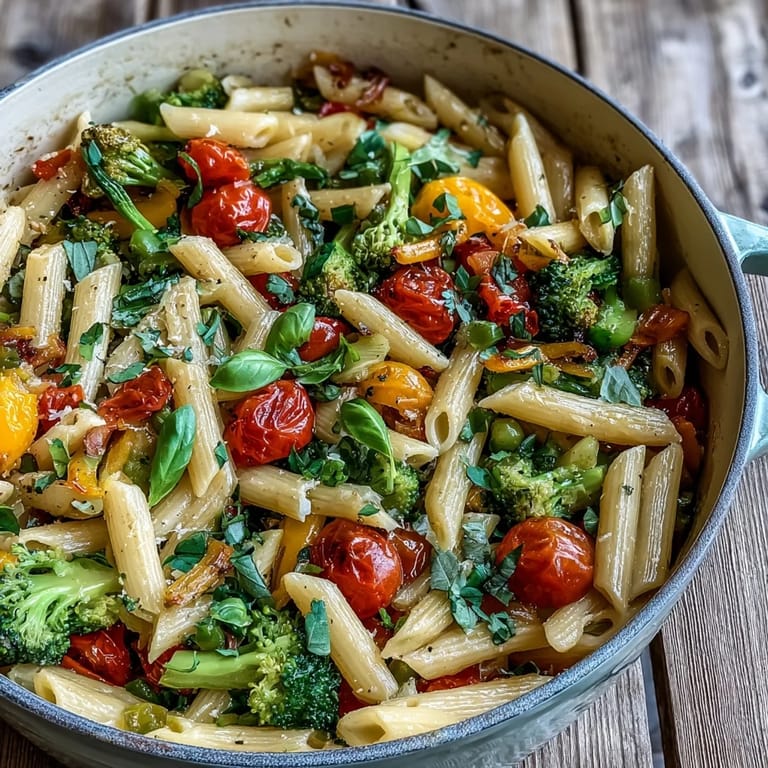
Save My friend showed up at my apartment on a Tuesday evening with a bag of farmers market vegetables and zero plans for dinner. We stood in my tiny kitchen staring at zucchini, bell peppers, and cherry tomatoes, and I suddenly remembered a one-pot pasta trick I'd read somewhere—just throw everything in together and let it cook. What happened next was pure magic: the pasta absorbed all that bright, vegetal broth while lemon juice made everything sing. Now whenever I need dinner fast and want people to feel genuinely cared for, this is what I make.
I made this for my roommate after she'd had a genuinely terrible day at work, and watching her face light up when she took that first bite reminded me why cooking matters. She said the brightness of the lemon and basil felt like someone had opened all the windows in her chest. That's when I realized this dish does something beyond feeding hunger—it shifts the mood in a room.
Ingredients
- Pasta (340 g penne or fusilli): The starch here acts like a sponge, soaking up all the vegetable broth and becoming tender without ever sitting in a separate pot of water—buy whatever shape calls to you, just make sure it's labeled vegan.
- Red onion (1 small, thinly sliced): This builds the flavor foundation; the slices melt into sweetness as they cook, giving the whole dish an underlying richness.
- Garlic (2 cloves, minced): Mince it fine so it distributes evenly and becomes almost invisible, letting its aroma do the heavy lifting.
- Bell peppers (1 small red and 1 small yellow, sliced): These add color, crunch, and natural sweetness—choose peppers that feel firm and glossy.
- Zucchini (1 medium, sliced into half-moons): Keep the slices consistent so everything cooks at the same rate; thinner slices soften faster if you like them tender.
- Cherry tomatoes (1 cup, halved): Halving them helps them release their juice into the broth, creating a natural sauce base.
- Snap peas or green beans (1 cup, trimmed): These keep their snap even after cooking in liquid if you don't overdo it—they add textural contrast to the softer pasta.
- Broccoli florets (1 cup, roughly chopped): Use florets roughly the same size so they cook evenly; they add earthiness and substance.
- Vegetable broth (900 ml): This is where the magic lives—the pasta cooks directly in it, becoming seasoned and silky rather than starchy and plain.
- Extra-virgin olive oil (2 tbsp): Use the good stuff here since it's tasted raw in the final dish; the flavor matters.
- Sea salt and black pepper (to taste): Taste as you go and adjust at the end—broth already contains some salt, so add gradually.
- Red pepper flakes (optional pinch): A tiny amount adds a whisper of heat that makes everything taste more alive without announcing itself.
- Lemon (zest and juice of 1): This is the dish's turning point—the zest goes in first for brightness, then juice at the end to keep it sharp and fresh.
- Fresh basil (½ cup torn leaves): Tear it by hand rather than chopping to avoid bruising; add it after heat stops so it stays fragrant and green.
- Nutritional yeast (2 tbsp, optional): If you want a subtle cheesy flavor without dairy, sprinkle this in at the very end—it becomes bitter if cooked.
Tired of Takeout? 🥡
Get 10 meals you can make faster than delivery arrives. Seriously.
One email. No spam. Unsubscribe anytime.
Instructions
- Heat your pot and start the alliums:
- Pour olive oil into a large pot over medium heat and let it get shimmering, then add your thinly sliced onion and minced garlic. You'll smell them before they look done—when the kitchen smells garlicky and sweet, about 2 to 3 minutes in, that's your signal they're ready.
- Add all the vegetables:
- Toss in your bell peppers, zucchini, cherry tomatoes, snap peas, and broccoli florets. Stir them around for 3 to 4 minutes until they lose that raw shine and start to soften—you want them partly cooked but still with some structure since they'll keep cooking in the liquid.
- Pour in everything wet and bring it together:
- Add your dried pasta directly to the pot along with the vegetable broth, salt, pepper, and red pepper flakes if you're using them. Stir everything really well so the pasta doesn't clump together and sits evenly in the liquid.
- Let it simmer until perfect:
- Crank the heat to high until you see a rolling boil, then turn it down to a gentle simmer. Leave it uncovered and stir every minute or so for about 10 to 12 minutes—you're watching for the pasta to become tender and the liquid to mostly disappear, leaving just a light sauce clinging to everything.
- Finish with brightness:
- Once the pot comes off the heat, stir in your lemon zest, lemon juice, torn fresh basil, and nutritional yeast if you're adding it. Taste a bite and adjust the salt or lemon juice until it tastes like a version of spring in a bowl.
 Save
Save 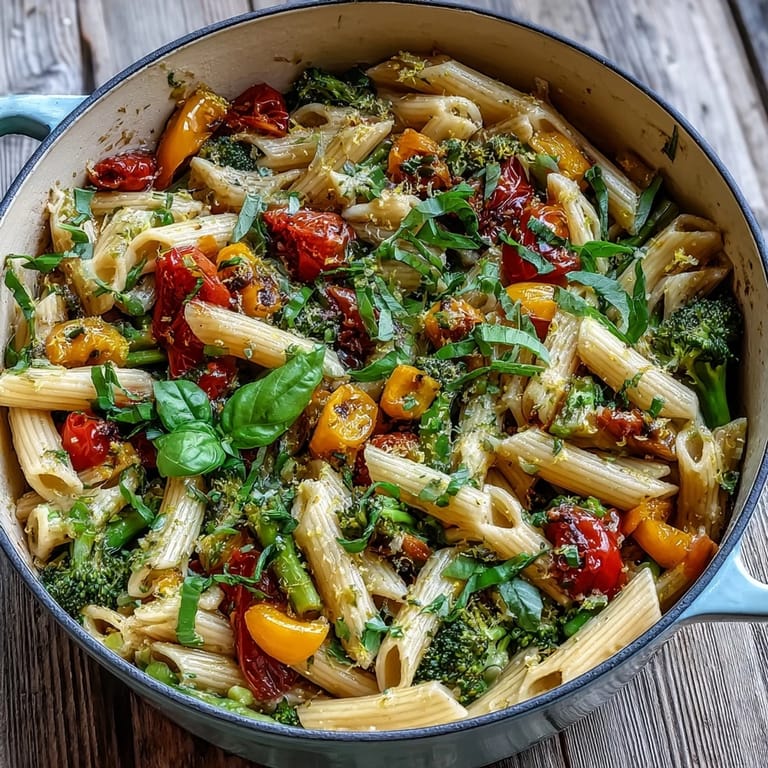 Save
Save 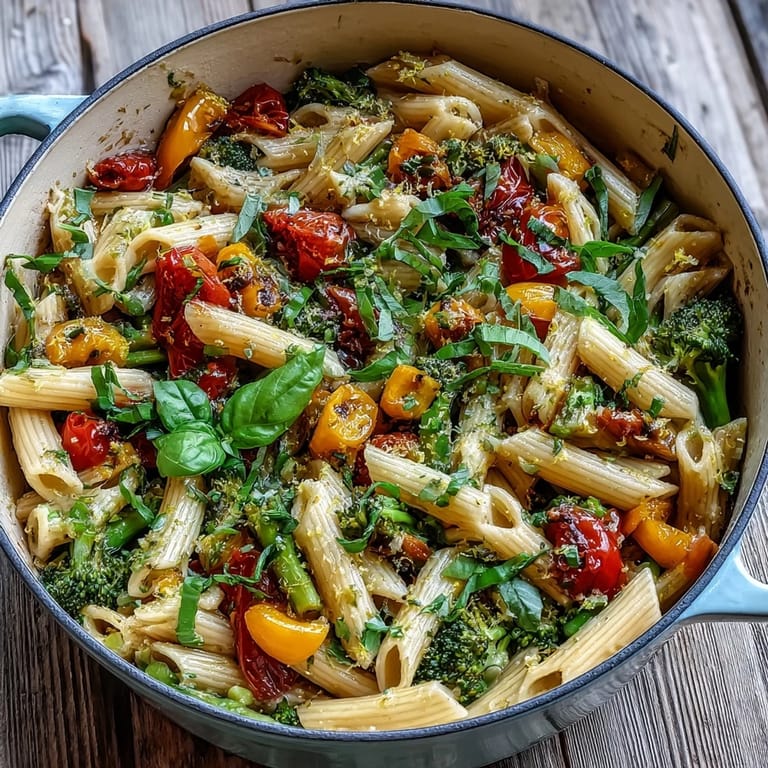 Save
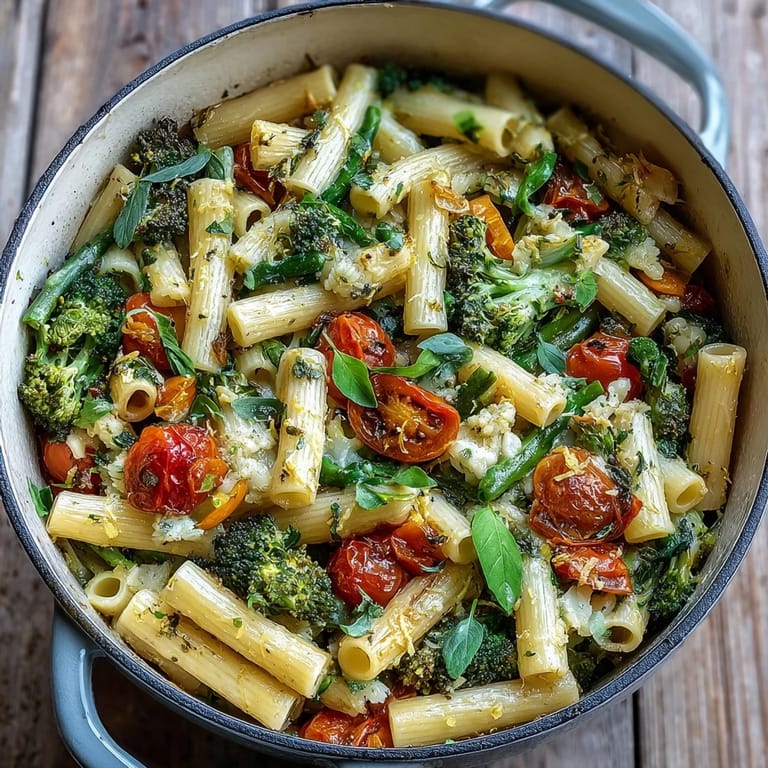
Save There's a moment in this recipe that happens quietly—when you're stirring that pot and the pasta transitions from chalky to tender, when the broth stops looking like broth and becomes something closer to sauce. It's the moment you know it's going to be good, and it never gets old.
Why This Works as a One-Pot Meal
Cooking pasta directly in vegetable broth instead of salted water means every grain absorbs flavor from the ground up. The vegetables release their own liquids and sugars into the pot while the pasta cooks, creating a naturally balanced sauce without any cream or oil-heavy additions. It's efficient cooking that also happens to taste genuinely delicious—not a shortcut that sacrifices quality, but a method that improves it.
The Lemon and Basil Question
I learned the hard way that lemon and basil are opposites in timing: lemon loves heat and releases its oils when warmed, while basil turns dark and loses its personality if cooked. That's why lemon goes in with the broth and pasta, doing its work during the simmer, and basil waits until the very end to jump in fresh. This counterplay is what makes the dish taste bright rather than heavy, alive rather than sitting.
Building Flavor Through Vegetables
The vegetables here aren't just add-ons—they're your flavor foundation. As they soften in the pot, they release their natural sugars and umami compounds into the broth, creating depth that broth alone could never achieve. Cherry tomatoes are especially important because their acidity and sweetness create a subtle brightness that echoes the lemon without duplicating it. Think of them as your backup singers, supporting the main melody rather than trying to be it.
- If a vegetable looks past its prime, swap it out with something seasonal—asparagus in spring, spinach in fall, mushrooms for earthiness any time.
- Cut everything to roughly the same size so it cooks at the same pace and looks intentional on the plate rather than chaotic.
- Don't skip the sauté step; those first few minutes of cooking vegetables in oil build flavor layers that can't be rushed.
 Save
Save 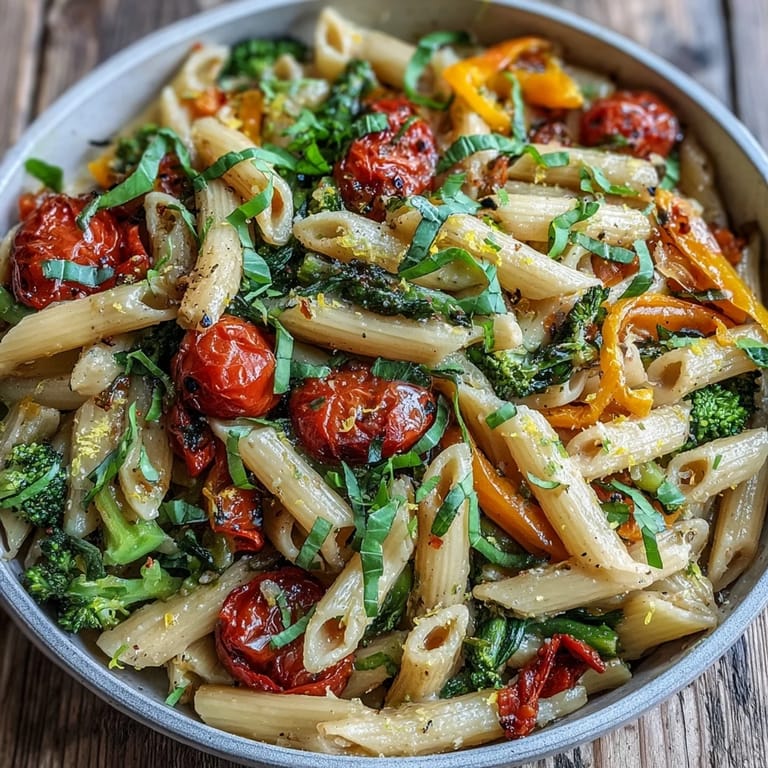 Save
Save 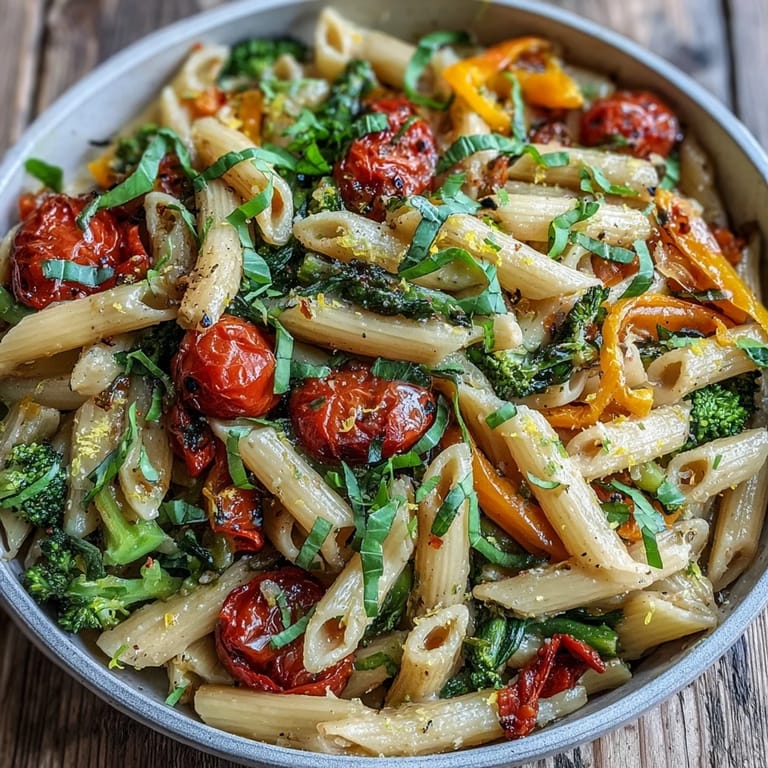 Save
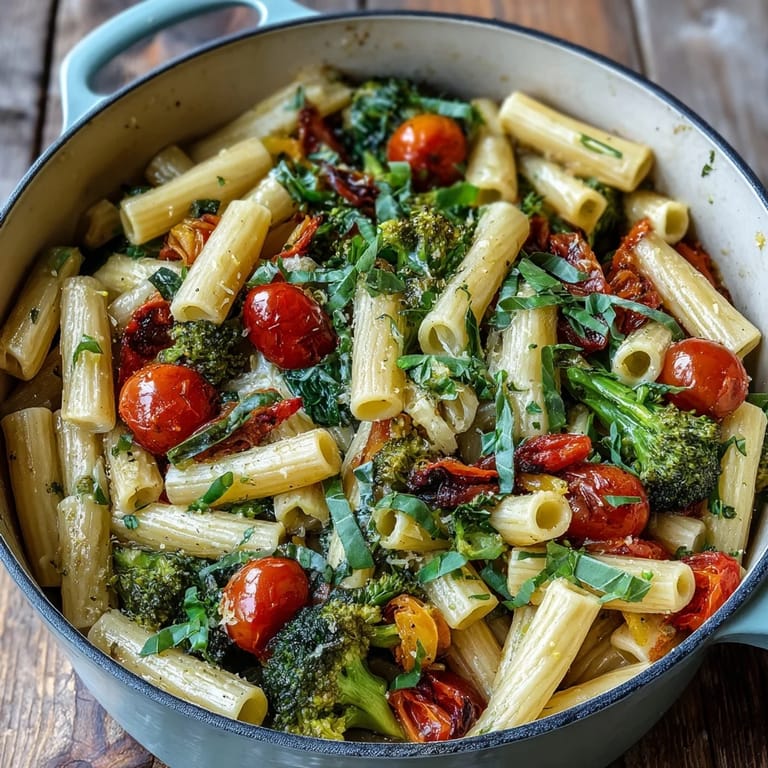
Save This dish arrives at the table looking like you planned it for hours, tasting like you care, and asking for nothing more complicated than a sharp knife and one pot. That's a formula worth keeping close.
Recipe FAQs
- → Can I use different pasta shapes?
Yes, any short pasta works well. Fusilli, rotini, gemelli, or macaroni are excellent alternatives. Avoid long noodles like spaghetti as they require more water and different cooking techniques.
- → How do I store leftovers?
Store cooled pasta in an airtight container in the refrigerator for 3-4 days. The pasta will continue absorbing liquid, so add a splash of broth or water when reheating on the stovetop.
- → Can I make this gluten-free?
Substitute the regular pasta with your favorite gluten-free variety. Brown rice pasta, chickpea pasta, or quinoa pasta all work beautifully. Check cooking time as gluten-free pasta may cook faster.
- → What vegetables work best?
Firm vegetables like bell peppers, zucchini, broccoli, and snap peas hold their shape well. You can also add asparagus, green beans, or diced carrots. Add delicate vegetables like spinach in the last 2 minutes of cooking.
- → Can I add protein?
Yes, stir in white beans, chickpeas, or lentils during the last 5 minutes of cooking. Crispy tofu or tempeh also make excellent toppings. For a protein boost, try adding hemp seeds or chopped walnuts before serving.
- → Why cook pasta directly in the broth?
Cooking pasta directly in the vegetable broth creates a naturally thickened, flavorful sauce as the starch releases into the liquid. This traditional Italian technique eliminates the need for draining and creates perfectly seasoned pasta.