 Save
Save There's something about summer afternoons that makes strawberry shortcake feel inevitable. My neighbor once brought over a container of just-picked berries from her garden, their green caps still dusty, and I realized I'd been overthinking this dessert for years. The magic isn't in complicated technique—it's in respecting three simple things: buttery biscuits that actually taste like butter, berries that have time to get jammy and sweet, and cream so cold it holds its shape like a cloud you can eat.
I made this for a Fourth of July potluck where everyone brought the expected pies and cakes, and somehow these shortcakes disappeared first. My sister came back three times, each time with a different construction, trying different ratios of fruit to cream. That's when I understood—this dessert isn't rigid. It's a framework for play, a permission slip to build your own perfect bite.
Ingredients
- All-purpose flour (2 cups): The foundation of tender biscuits; don't sift it unless you love dense shortcakes, and measure by spooning and leveling, not scooping.
- Cold unsalted butter (1/2 cup cubed): Cold butter is non-negotiable because those little pockets of butter create steam during baking, giving you flaky layers instead of a hockey puck.
- Cold buttermilk (3/4 cup plus more for brushing): The acid in buttermilk activates the baking soda and keeps everything tender; warm buttermilk is your enemy here.
- Fresh strawberries (1 1/2 pounds, hulled and sliced): The star ingredient deserves respect—choose berries that smell fragrant and feel slightly soft to the touch, never hard.
- Granulated sugar (1/3 cup for berries): Sugar draws out the strawberry's natural juices, so this sitting time is when the magic happens, not optional.
- Heavy whipping cream (1 cup chilled): Cold cream whips into clouds; room-temperature cream becomes butter, so keep everything glacial.
- Powdered sugar (3 tablespoons): Unlike granulated sugar, this dissolves instantly into cream without creating a gritty texture.
Tired of Takeout? 🥡
Get 10 meals you can make faster than delivery arrives. Seriously.
One email. No spam. Unsubscribe anytime.
Instructions
- Mix your dry ingredients with intention:
- Whisk together flour, sugar, baking powder, baking soda, and salt in a large bowl, making sure the leavening agents are evenly distributed so every bite rises the same way. This takes about a minute and sets up everything that comes next.
- Cut in the cold butter until it looks like breadcrumbs:
- Add cubed cold butter and work it in using a pastry cutter, fork, or your fingertips until the mixture resembles coarse crumbs with pea-sized bits of butter still visible. This is the texture that gives you those beautiful flaky layers.
- Bring the dough together without overworking it:
- Pour in the cold buttermilk and vanilla extract, then stir just until the shaggy dough comes together—you'll feel the moment it shifts from flour to dough. Overmixing develops gluten and makes tough biscuits, so stop when you still see a few dry streaks if anything.
- Shape and cut with confidence:
- Turn the dough onto a lightly floured surface and gently pat it into a 1-inch-thick rectangle, then use a 2 1/2-inch round cutter to cut biscuits, pressing straight down without twisting. Gather scraps gently and recut until you've used all the dough.
- Brush and bake until golden:
- Place biscuits on a parchment-lined baking sheet, brush the tops with a little buttermilk to encourage browning, then bake at 425°F for 15 to 18 minutes until they're deep golden brown. You'll know they're done when you tap the bottom and hear a hollow sound.
- Macerate the strawberries while biscuits cool:
- Combine sliced strawberries with sugar and lemon juice in a bowl, toss gently, and let them sit for at least 20 minutes—they'll weep their own syrup and become jammy and concentrated. This step is where the flavor deepens, so don't skip it even if you're in a hurry.
- Whip cream to soft peaks:
- Beat chilled heavy cream with powdered sugar and vanilla extract until soft peaks form—the cream should hold its shape but still look fluffy and cloud-like. Stop before it turns grainy, which happens fast once you've hit soft peaks.
- Assemble with care and generosity:
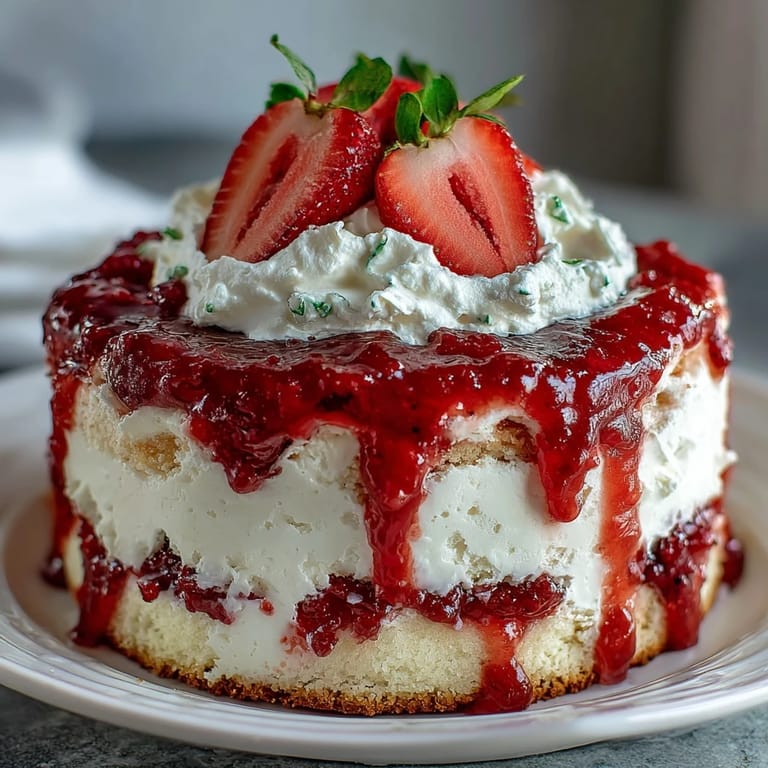
- Split each cooled biscuit in half horizontally, then layer the bottom with a spoonful of macerated strawberries and their juice, followed by a generous dollop of whipped cream. Top with the other biscuit half, then repeat with more strawberries and a final crown of cream on top.
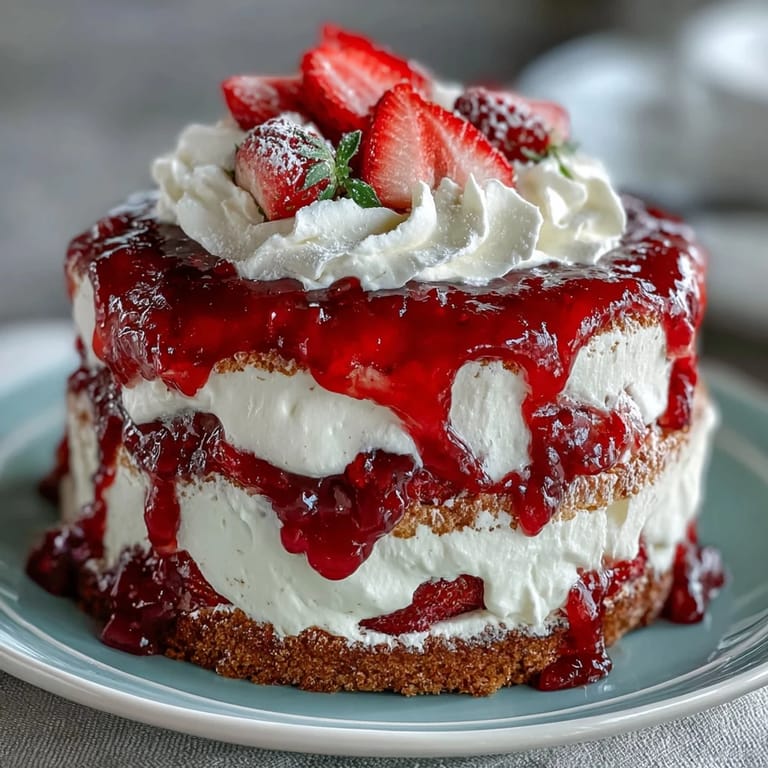 Save
Save Last summer, my friend brought her five-year-old to help assemble these, and watching that small hand carefully place strawberries between biscuit layers, tongue poking out in concentration, reminded me that this dessert has a way of making everyone feel like a pastry chef. Even with imperfect stacking and more cream on the fingers than in the dish, the result was perfect because it came from attention and care, not technique.
The Secret of Flaky Biscuits
The difference between a tender, flaky biscuit and a dense one lives in those pockets of cold butter we're so careful to keep separate. When the oven's heat hits them, they melt and release steam, creating steam pockets that push the layers apart. I learned this the hard way after overmixing dough for three batches, thinking more mixing meant better structure—it was the opposite. Let the butter do its job, and your biscuits will reward you with a shatter-crisp exterior and a tender, almost biscotti-like interior that catches the fruit and cream perfectly.
Why Maceration Makes All the Difference
Maceration is just a fancy word for letting fruit sit with sugar, and it transforms fresh strawberries from pleasant to transcendent. The sugar pulls water out of the fruit through osmosis, concentrating the flavor while creating a syrup that tastes purely of strawberry and time. This means you don't need heavy sauces or glazes—the fruit speaks for itself, jammy and complex. The lemon juice adds a small bright note that keeps everything from tasting one-dimensional, a trick I borrowed from a summer farmer's market conversation with someone who'd been making shortcake for forty years.
Building Your Perfect Shortcake
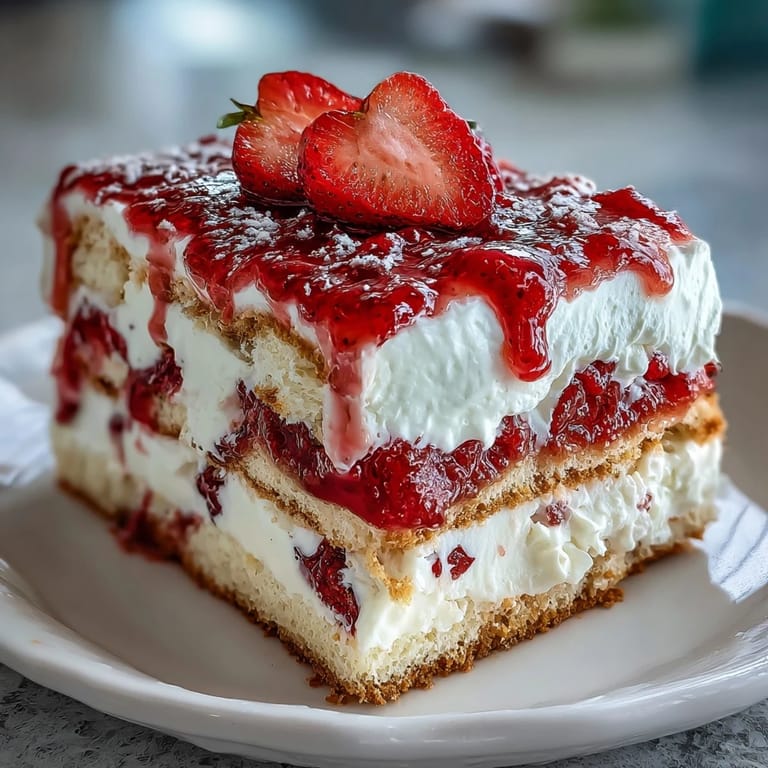
Assembly is where you become the artist—there's no single right way to stack these, and that freedom is part of their charm. Some people prefer more biscuit and less cream, while others go cream-forward with just a whisper of biscuit to hold it together. Split each biscuit carefully, layer with intention, and taste as you go, adjusting the fruit-to-cream ratio to match what you love. Here are the moves that matter most:
- Split biscuits when they're completely cool so they don't crumble, and don't skip this step even if they're still slightly warm.
- Layer generously with macerated strawberries and their juice, letting the syrup soak into the biscuit just slightly before adding cream.
- Serve immediately after assembly so the biscuit stays crispy instead of getting soggy from the fruit's juices.
 Save
Save This dessert deserves to be made often, on ordinary Thursdays when strawberries are good, not just for special occasions. It's a reminder that the most memorable food is usually the simplest, built on butter, fruit, and cream, elevated only by attention.
Recipe FAQs
- → How do I make tender biscuit layers?
Use cold unsalted butter cut into the flour mixture until coarse crumbs form, then gently mix with buttermilk to avoid overworking the dough, resulting in flaky biscuits.
- → What is the best way to macerate strawberries?
Combine sliced strawberries with sugar and a touch of lemon juice, letting them sit for at least 20 minutes until juicy and sweetened.
- → How do I achieve light, billowy whipped cream?
Chill heavy cream and beat it with powdered sugar and vanilla extract until soft peaks form, then keep it cold until assembly.
- → Can I add flavor variations to the strawberries?
Yes, adding a splash of orange liqueur infuses extra depth, or substitute some cream with Greek yogurt for a tangy note.
- → What tools are essential for preparation?
Essential tools include mixing bowls, a pastry cutter, a baking sheet lined with parchment, a biscuit cutter, and a whisk or mixer for the cream.