 Save
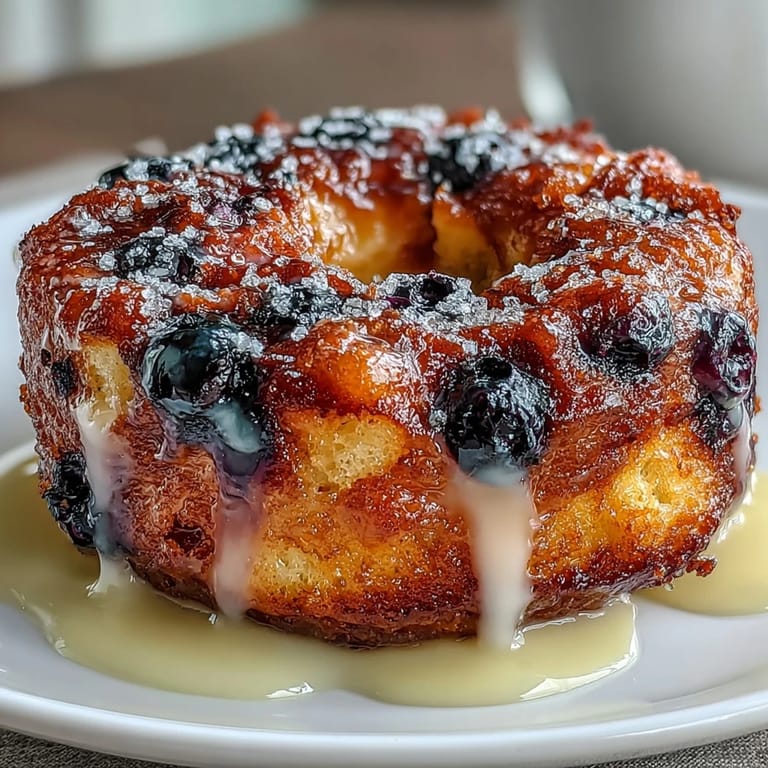
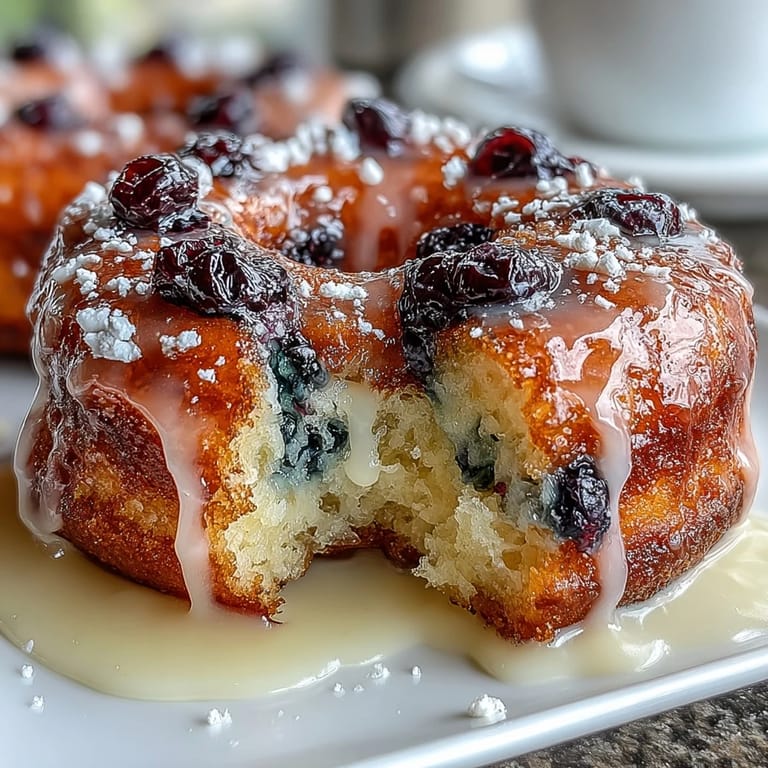
Save There's something magical about opening the fridge on a lazy Sunday morning and realizing you have sourdough starter lurking in the back, begging to be used for something other than bread. That's exactly when these lemon blueberry donuts were born, a spontaneous collision of my desire for something sweet with the tangy starter I'd been feeding all week. The kitchen smelled like a pastry shop within minutes, and my roommate followed her nose to investigate what I was up to. Soft, pillowy donuts studded with bursts of blueberry and kissed with bright lemon zest felt like I'd cracked some kind of code. It turns out sourdough starter makes donuts impossibly tender without requiring a long overnight proof.
I made these for a potluck where everyone was supposed to bring something store-bought, and I showed up with a box of warm donuts instead. The look on their faces when they bit into one and tasted actual lemon and blueberry, not artificial flavoring, was worth every minute of effort. One friend actually asked if I'd made them that morning, and when I said yes, she refused to believe me until I showed her the empty donut pan as proof. That's when I knew these were worth keeping in regular rotation.
Ingredients
- Active sourdough starter (1/2 cup): Use the discard you'd normally throw away—there's no need to feed it first, saving you time and letting you turn waste into something delicious.
- Buttermilk (1/2 cup): This adds tang and tenderness; if you don't have it, stir a teaspoon of vinegar or lemon juice into regular milk and let it sit for five minutes.
- Unsalted butter (1/4 cup, melted): Melting it first ensures it incorporates smoothly and keeps the crumb tender rather than tough.
- Eggs (2 large, room temperature): Cold eggs won't blend evenly, so pull them out of the fridge while you gather everything else.
- Vanilla extract (1 tsp): This quietly amplifies the other flavors and adds warmth without making the donuts taste vanilla-forward.
- Lemon zest (from 1 lemon): Zest before juicing, as you'll need it for both the batter and glaze; use a microplane for the finest texture.
- Fresh lemon juice (2 tbsp): Fresh juice is non-negotiable here—bottled juice tastes sharp and chemical-like in comparison.
- All-purpose flour (2 cups): Measure by spooning and leveling, not packing down, so you don't end up with dense donuts.
- Granulated sugar (3/4 cup): This balances the tartness of lemon and creates a tender crumb structure.
- Baking powder (1 1/2 tsp): This is the main leavening agent since you're baking, not frying, so don't skip it.
- Baking soda (1/2 tsp): It reacts with the buttermilk's acidity and the lemon juice to give these donuts their signature lift.
- Fine sea salt (1/2 tsp): Salt quiets down any residual sweetness and makes the lemon flavor pop.
- Fresh blueberries (1 cup): Frozen berries work beautifully and sometimes burst more dramatically into the batter, creating little pockets of flavor; don't thaw them first.
- Powdered sugar (1 cup for glaze): Sifting it first prevents lumps, though whisking vigorously works if you're in a hurry.
- Lemon zest for glaze (1 tsp): Fresh zest makes the glaze smell incredible and adds a final pop of brightness.
Tired of Takeout? 🥡
Get 10 meals you can make faster than delivery arrives. Seriously.
One email. No spam. Unsubscribe anytime.
Instructions
- Prepare your stage:
- Heat your oven to 350°F and grease two nonstick donut pans generously so nothing sticks to those tricky crevices. Having everything ready means you can move quickly once you start mixing, which keeps air bubbles in the batter intact.
- Combine the wet team:
- Whisk together the sourdough starter, buttermilk, melted butter, eggs, vanilla, lemon zest, and lemon juice in a large bowl until they're fully incorporated and look creamy. The mixture should smell bright and tangy at this point, a good sign that the lemon is doing its job.
- Mix the dry goods:
- In a separate bowl, whisk together flour, sugar, baking powder, baking soda, and salt, breaking up any lumps in the sugar or flour. This step distributes the leavening agents evenly, so you don't end up with donuts that rise unevenly.
- Bring them together gently:
- Pour the wet mixture into the dry ingredients and stir with a spatula just until you don't see streaks of flour anymore—stop there and resist the urge to overmix. Overmixing develops gluten and makes donuts tough and dense instead of tender.
- Fold in the berries:
- Add blueberries carefully, folding them in with a few gentle strokes; if you're worried they'll sink, lightly dust them with a tablespoon of flour before adding them. The flour clings to their skin and helps them stay suspended throughout the batter.
- Fill the pans:
- Spoon or pipe the batter into each donut cavity until it reaches about three-quarters full, leaving room for the donuts to rise without overflowing. You can use a piping bag for neater donuts or simply spoon it in if you prefer a homemade, rustic look.
- Bake until golden:
- Slide the pans into the oven and bake for 13 to 15 minutes, watching for the moment they spring back when you press the top lightly and a toothpick comes out clean. The donuts will smell incredible, and you'll be tempted to eat them immediately—don't, they're still fragile.
- Cool with patience:
- Let the donuts sit in the pans for five minutes so they set slightly, then carefully transfer them to a wire rack to cool completely. This prevents them from breaking apart and allows the glaze to set properly later.
- Make the glaze:
- Whisk powdered sugar, fresh lemon juice, and zest in a small bowl until smooth and pourable, adding juice a tablespoon at a time until you reach the right consistency. The glaze should be thick enough to coat but thin enough to drip slightly off the donuts.
- Finish and set:
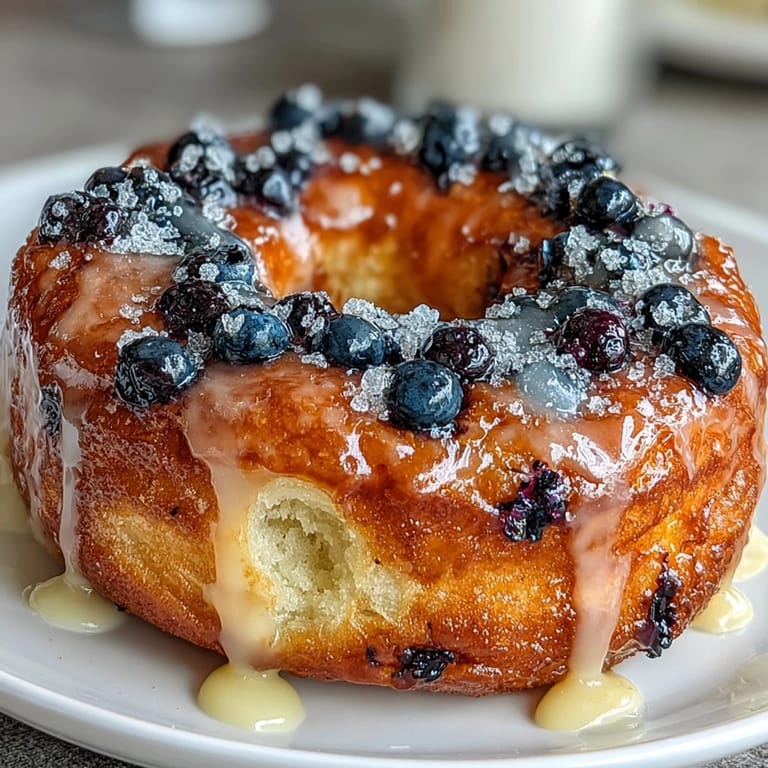
- Dip each cooled donut into the glaze, letting excess drip off, then set it back on the cooling rack so the glaze firms up as it dries. The final donuts should have a silky coating that catches the light.
 Save
Save  Save
Save One rainy afternoon I brought a box of these to my neighbor who'd just come home from the hospital, and watching her close her eyes after the first bite and smile—really smile—reminded me that homemade food carries something mass-produced never can. The brightness of the lemon seemed to lift her mood in a way I didn't expect, and she asked for the recipe before she'd even finished eating. That's when I realized these weren't just donuts; they were tiny vessels for kindness.
Why Sourdough Makes a Difference
Sourdough starter is wild yeast and bacteria that's been quietly working away in your fridge, and when you fold it into donut batter, it adds flavor complexity that commercial yeast simply can't achieve. The starter contributes a subtle tanginess that plays beautifully with lemon and blueberry, creating layers of taste instead of a one-note sweetness. Since these are baked donuts rather than fried, the starter also helps create that coveted tender crumb that makes people assume you bought them from a professional bakery.
The Blueberry Question
I've made these donuts dozens of times now with both fresh and frozen blueberries, and honestly, frozen win by a hair because they burst more dramatically into the batter and create those pockets of intense flavor. Fresh blueberries are lovely and slightly less juicy, so they stay more intact if you prefer that texture. The choice between them isn't about right or wrong—it's about whether you want subtle bursts or bold explosions of blueberry flavor in every bite.
Glaze, Storage, and Second-Day Magic
The glaze sets in about an hour at room temperature, and while these donuts are absolutely best eaten the day they're made, something unexpected happens if you store them airtight overnight. They actually become slightly denser and chewier, which some people prefer—kind of like the difference between day-old cake and fresh cake, where both are delicious but different. I've learned to embrace the second-day version rather than disappointedly eat a stale donut, because the flavors have time to meld and intensify slightly.
- Store cooled, glazed donuts in an airtight container at room temperature for up to two days.
- You can freeze unfrosted donuts for up to two weeks and thaw them at room temperature, then glaze them when you're ready to eat.
- Refresh day-old donuts by warming them gently in the oven at 300°F for three minutes, which softens the crumb without drying them out.
 Save
Save 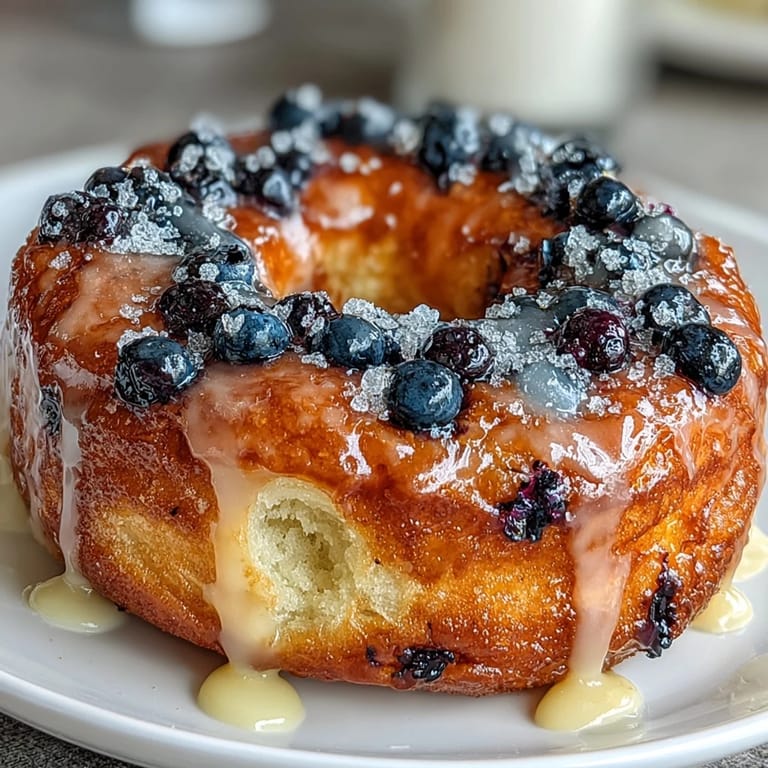 Save
Save These donuts have become my answer to the question "what should I bring," whether it's a potluck, a hospital visit, or a simple thank-you gift. There's something about the combination of bright lemon, bursts of blueberry, and that impossible softness that makes people happy in a way store-bought treats never quite manage.
Recipe FAQs
- → Can I use frozen blueberries instead of fresh?
Yes, frozen blueberries work well; they may slightly color the batter but maintain their flavor and texture during baking.
- → How does the sourdough starter affect the texture?
The sourdough starter naturally leavens the batter, contributing to a tender crumb and subtle tang in the final baked treats.
- → What can I substitute for buttermilk?
Plain yogurt or regular milk mixed with a teaspoon of vinegar can replace buttermilk, preserving tanginess and moisture.
- → How should I tell when the baked goods are done?
They are done when golden and spring back lightly when pressed; a toothpick inserted should come out clean.
- → What's the best way to store these treats?
Store them airtight at room temperature and enjoy within two days for optimal freshness and texture.