 Save
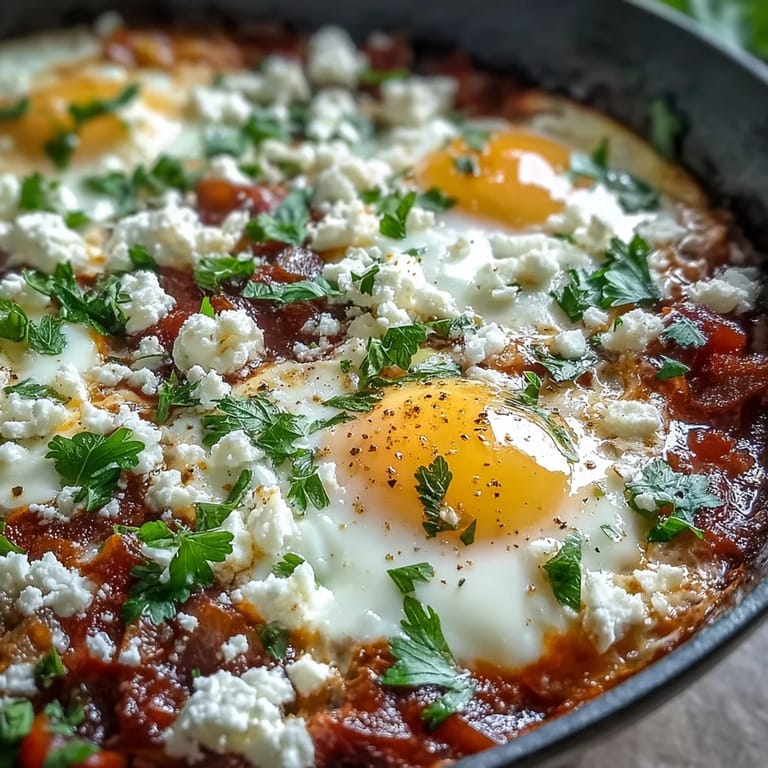
Save My neighbor Maria handed me a steaming bowl of shakshuka one morning, and I watched the runny yolk break into that crimson sauce like it was the most natural thing in the world. She laughed at my hesitation, saying every kitchen in her family had made this dish a thousand times without thinking twice. That first spoonful changed everything, and suddenly I understood why this humble pan of eggs and tomatoes has survived centuries across the Mediterranean and North Africa. There's something about the simplicity that feels both ancient and impossibly alive on your tongue.
I made this for my roommates on a Sunday when we'd all stayed up too late talking, and they stumbled into the kitchen following the smell of cumin and paprika like it was a siren call. Watching them eat straight from the pan with pieces of toast, eyes half-closed in contentment, felt like I'd unlocked some secret code. That morning reminded me that the best meals aren't about perfection, they're about the moment when someone says your food tastes like home.
Ingredients
- Olive oil (2 tbsp): This is your foundation, so use something you'd actually want to taste, not the cheap stuff hiding in the back of the cabinet.
- Large onion (1), diced: Don't rush this part, let it soften completely until it's almost melting into the pan.
- Red bell pepper (1), diced: The sweetness balances the spices, and honestly, the color is half the appeal of this dish.
- Garlic (3 cloves), minced: Mince it fresh right before you need it, those jarred versions never quite capture what you're after here.
- Crushed tomatoes (28 oz can): Or use fresh ripe tomatoes if they're in season and you have the patience to peel and dice them.
- Chili pepper (1 small), finely chopped: This is optional but adds a whisper of heat that makes the whole thing sing.
- Ground cumin (1 tsp): Toast your whole cumin seeds first if you have them, it changes everything about the flavor.
- Sweet paprika (1 tsp): Get the good kind, the color and depth matter more than you'd think.
- Ground coriander (1/2 tsp): This spice is the unsung hero that rounds out all the rough edges.
- Cayenne pepper (1/4 tsp, optional): Start with less if you're unsure, you can always add more heat but you can't take it back.
- Salt and black pepper: Taste as you go, the tomatoes do their own thing depending on the brand and season.
- Large eggs (4): Fresh eggs make all the difference for poaching, older ones spread out too much.
- Fresh parsley or cilantro (2 tbsp), chopped: The brightness of this is essential, don't skip it or the dish loses its spark.
- Feta cheese (50 g), crumbled: Optional but it adds a salty, creamy contrast that transforms each bite.
Tired of Takeout? 🥡
Get 10 meals you can make faster than delivery arrives. Seriously.
One email. No spam. Unsubscribe anytime.
Instructions
- Warm your pan and build the base:
- Heat olive oil over medium heat until it shimmers slightly, then add your diced onion and bell pepper. You want to hear that gentle sizzle, and after about five to seven minutes they should be soft and starting to turn golden.
- Bloom the aromatics:
- Add your minced garlic and chili pepper right after, stirring for just about a minute until your whole kitchen smells like something worth waking up for. That fragrance is a sign everything's happening exactly right.
- Build the sauce:
- Pour in your crushed tomatoes along with the cumin, paprika, coriander, cayenne, salt, and pepper, stirring everything together. Let it simmer uncovered for ten to twelve minutes, giving it a stir every few minutes, until the sauce thickens and deepens in color.
- Create your egg nests:
- Using the back of a spoon, make four little wells in the sauce, spacing them around the pan like you're setting a table. This keeps the eggs from running into each other and makes for a prettier presentation.
- Crack and nest:
- Crack one egg gently into each well, being careful not to break those yolks. Cover the pan and let it cook for six to eight minutes, checking after about five to see how set your whites are getting.
- Finish and serve:
- Remove from heat while the yolks are still slightly runny, then scatter your fresh parsley or cilantro and feta cheese over everything. Serve immediately straight from the pan if you're feeling dramatic, or transfer to bowls.
 Save
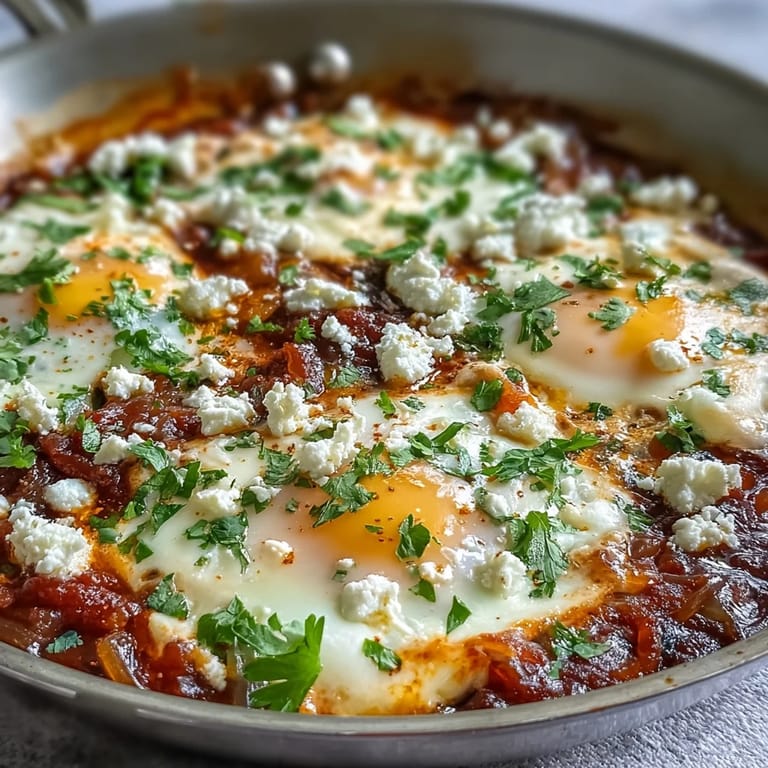
Save I once made shakshuka for someone I was trying to impress, and instead of plating it prettily, I just set the whole skillet on the table between us with some bread and let them dig in however felt right. There was something freeing about that, not worrying about perfect presentation, just sharing food that was still steaming and alive on the pan. We talked for hours after that breakfast, and I realized the meal had created the kind of moment where food becomes memory.
Why The Spices Matter
The magic here isn't about complicated technique, it's about letting those warm spices do their work. Cumin brings this earthy depth that makes the tomatoes taste more like themselves, while paprika adds sweetness and that beautiful color you can't fake. Coriander rounds everything out with something floral and almost gentle, keeping the whole dish from becoming one-note or aggressive. When you taste each spice separately and then together, you'll understand why this combination has lasted for centuries.
The Perfect Egg Situation
Getting those eggs right is honestly where people get hung up, but it's simpler than it seems. Fresh eggs with firm whites and runny yolks that break into the sauce as you eat are the goal, and that six to eight minute window under a lid gets you there almost every single time. Some people like firmer yolks and that's valid, just add a couple more minutes and keep checking. The cover is crucial because it lets the steam cook the tops of the eggs without making the sauce boil away, creating this beautiful microclimate in your pan.
Bread Is Not Optional
Shakshuka without bread is like losing half the conversation, because that sauce is what you're really after. Crusty bread, warm pita, even torn-up flatbread all work, but the point is you need something to drag through that spiced tomato gold and catch the yolk that hasn't made it to your spoon yet. Toast your bread if you have a moment, it stands up better to the sauce and tastes even better.
- If you don't have good bread on hand, this is actually the moment to take a trip to the bakery instead of settling for something mediocre.
- Make extra sauce if you're planning to be serious about soaking bread, nobody regrets having more of this.
- Leftover shakshuka tastes incredible cold the next day, though the eggs do firm up a bit.
 Save
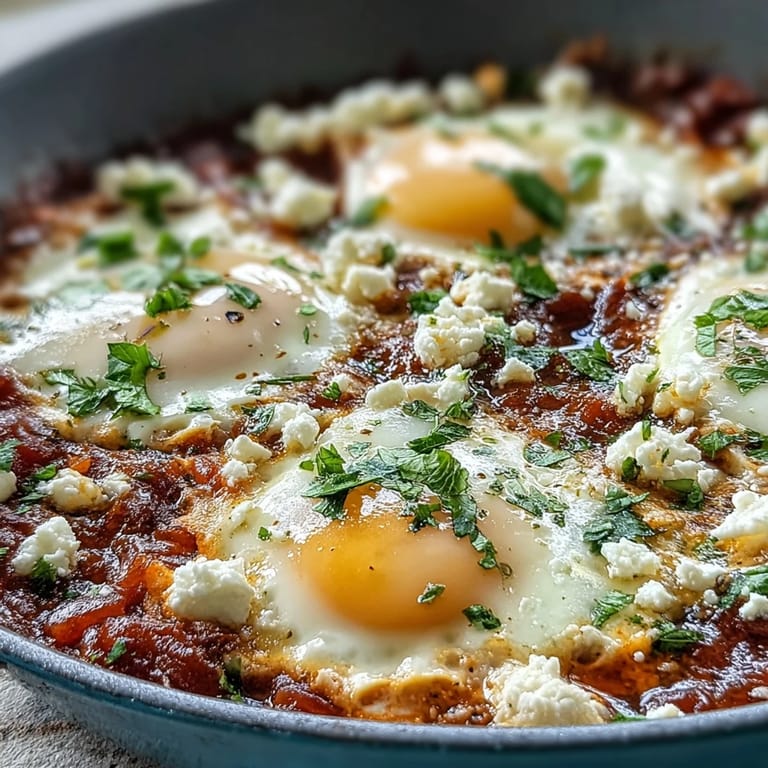
Save This dish has taught me that sometimes the most satisfying meals are the ones that ask the least of you but feel like you gave everything. Make shakshuka when you want to feel like you've created something beautiful and real.
Recipe FAQs
- → What is shakshuka?
Shakshuka is a traditional Middle Eastern and North African dish of poached eggs cooked in a spiced tomato and pepper sauce. The name comes from Arabic meaning 'a mixture' or 'shaken.'
- → How do I know when the eggs are done?
Cook covered for 6–8 minutes. The whites should be fully set and opaque, while yolks remain runny. For firmer yolks, cook an additional 2–3 minutes.
- → Can I make shakshuka in advance?
The tomato sauce base can be made 1–2 days ahead and refrigerated. Reheat gently before adding eggs. For best results, cook eggs fresh when serving.
- → What can I serve with shakshuka?
Warm pita bread, crusty sourdough, or flatbread are perfect for dipping. Other sides include olives, cucumber salad, or roasted vegetables.
- → Is shakshuka suitable for vegetarians?
Yes, shakshuka is vegetarian. To make it vegan, omit eggs and feta, adding sautéed tofu, chickpeas, or extra vegetables instead.
- → How spicy is traditional shakshuka?
Traditional versions have mild to medium heat. Adjust spice levels by adding or reducing the chili pepper, cayenne, or harissa to your preference.