 Save
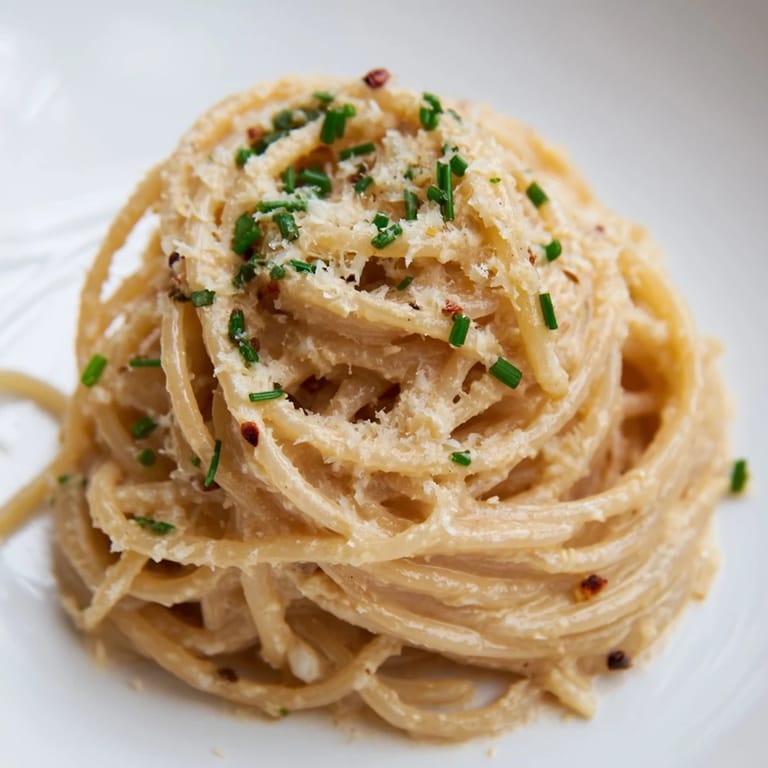
Save I discovered miso butter pasta by accident on a weeknight when I had nothing but pantry staples and a craving for something that felt restaurant-quality. There's something almost magical about how Japanese umami and Italian simplicity collide on a plate, and that first bite convinced me that some of the best meals happen when you stop overthinking and start trusting your instincts. The silky noodles coated in that savory, buttery glaze became my go-to when I needed comfort without the fuss.
I made this for a friend who claimed they were too tired to cook, and watching their face when they tasted it was worth every second at the stove. They asked for the recipe immediately, then came back the next week saying they'd made it four times already. That's when I knew this wasn't just a recipe—it was the kind of thing that quietly becomes part of someone's regular rotation.
Ingredients
- 350 g spaghetti or linguine: Long, slender noodles work best here because they hold onto the sauce without getting weighed down, and pasta water becomes your secret weapon for creating that silky coating.
- Salt: Generous amounts in the pasta water matter more than you'd think—it's your only chance to season the noodles themselves.
- 60 g unsalted butter, softened: Cold butter won't blend smoothly with the miso, so let it sit on the counter for 15 minutes first.
- 2 tbsp white miso paste: This is the soul of the dish; don't substitute red miso unless you want something earthier and more intense.
- 2 tbsp extra-virgin olive oil: This keeps the sauce from becoming too heavy and adds a fruity note that brightens everything.
- 4 garlic cloves, finely minced: The knife work here matters—uneven pieces will cook at different rates, and you want them all fragrant and barely golden.
- 1 tsp freshly ground black pepper: Fresh pepper has a sharpness that bottled pepper has lost; grind it right before cooking.
- 1/4 tsp red pepper flakes: Optional but worth it if you like a gentle heat that creeps up on you.
- 40 g Parmesan cheese, grated: Grate it fresh if you can—pre-shredded cheese has cellulose that makes it grainy and won't melt as smoothly into the sauce.
- 2 tbsp fresh chives or scallions: The green adds color and a mild onion bite that cuts through the richness at just the right moment.
- Lemon wedges: Never skip this; the acid is what transforms the dish from heavy to balanced.
Tired of Takeout? 🥡
Get 10 meals you can make faster than delivery arrives. Seriously.
One email. No spam. Unsubscribe anytime.
Instructions
- Get Your Water Going:
- Bring a large pot of salted water to a rolling boil—this is not the time to be timid with salt. The water should taste like the sea.
- Cook the Pasta:
- Add pasta and cook according to package directions until al dente, then scoop out and reserve 1 cup of starchy cooking water before you drain everything. That pasta water is going to be the difference between a sauce that clings and one that slides off.
- Make the Miso Butter:
- While the pasta cooks, combine softened butter and miso paste in a small bowl and stir until completely smooth and creamy. No lumps allowed here.
- Toast the Garlic:
- Heat olive oil in a large skillet over medium heat and add minced garlic, letting it sizzle for about a minute until the kitchen smells incredible but the garlic is still pale. Lower the heat the moment you smell it properly—you want fragrant, not burnt.
- Build the Sauce:
- Reduce heat to low and stir in that miso butter mixture, watching it melt into the oil and become glossy. This gentle heating is crucial because high heat can make miso taste harsh and bitter.
- Bring It All Together:
- Add the drained pasta to the skillet and toss constantly, adding reserved pasta water a splash at a time until the noodles are coated in a silky, glossy sauce that clings without pooling at the bottom. You'll know it's right when it looks almost wet but isn't.
- Season and Finish:
- Stir in black pepper and red pepper flakes if you're using them, then remove from heat and toss with freshly grated Parmesan. The residual heat will melt the cheese just enough.
- Plate and Serve:
- Divide among bowls, top with chives or scallions, and serve immediately with lemon wedges on the side so everyone can add brightness to taste.
 Save
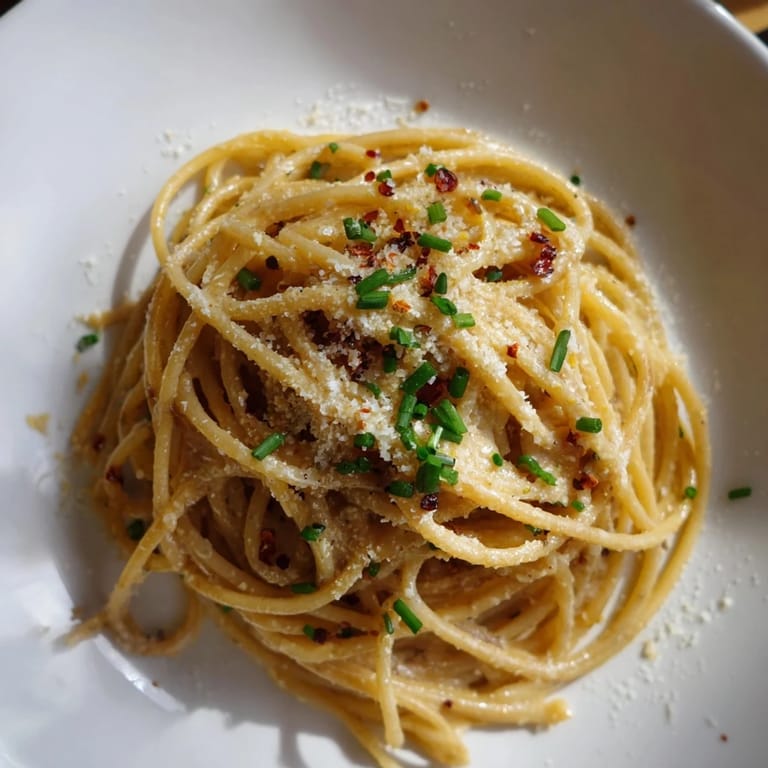
Save There's a moment about halfway through tossing the pasta when everything looks like it might not work—the sauce seems thin, the noodles look loose—and then suddenly it comes together and becomes this glossy, cling-to-every-strand perfection. That moment of watching the transformation happen is when I remember why cooking matters to me.
Why Miso and Butter Make Sense Together
Miso is pure umami, salty and deep, while butter is rich fat that carries flavor and creates texture. Together they're unstoppable because the butter mellows the miso's intensity and the miso keeps the butter from feeling one-dimensional. It's the kind of pairing that seems obvious once you've tasted it, but takes a little courage to try the first time. This is fusion cooking at its most honest—not trying to be fancy, just letting two good things make each other better.
Variations That Work
The beauty of this recipe is how forgiving it is of additions. Sautéed mushrooms add earthiness, a handful of wilted spinach brings color and slight bitterness that plays beautifully with the umami, and steamed broccoli gives you something to bite into. A poached egg on top is not overkill—the runny yolk mixing into the sauce is something special. Even a small can of white beans stirred in at the end turns this into something more substantial without changing the core flavors.
Making It Your Own
I've learned that the best recipes are ones you're willing to adjust based on what you have and what you're craving that day. If you only have red miso, use it but expect something deeper and earthier. If you're vegan, swap the butter for coconut oil and use nutritional yeast instead of Parmesan—it won't be identical, but it will be delicious in its own way. The lemon at the end is non-negotiable though; it's what stops this from being heavy, so don't skip it.
- Always taste and adjust seasoning just before serving because once the pasta is plated, it's too late to fix it.
- If you make this ahead, don't store it with the sauce already mixed in—cook the pasta fresh and rewarm the sauce gently, then combine them.
- Leftover miso butter keeps in the fridge for a week and is secretly perfect on roasted vegetables or melted onto bread.
 Save
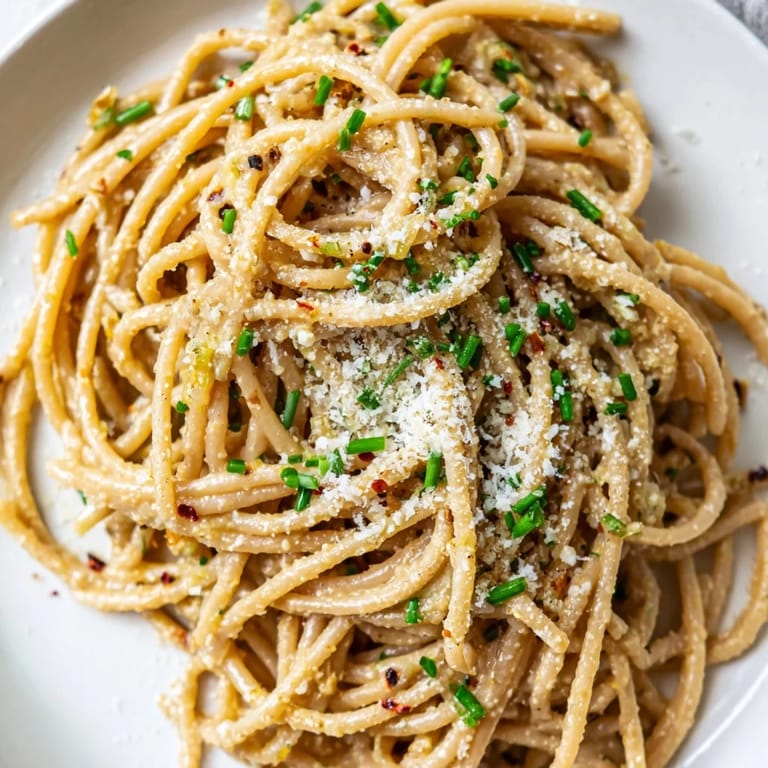
Save This dish proves that some of the best meals are built on restraint—a few good ingredients, treated gently, tasting like themselves. It's the kind of thing I make when I need to remember that cooking can be simple and still feel like something worth sitting down for.
Recipe FAQs
- → What type of pasta works best with miso butter sauce?
Long noodles like spaghetti or linguine are ideal as they hold the sauce well and provide a smooth texture.
- → Can I add vegetables to this dish?
Yes, sautéed mushrooms, wilted spinach, or steamed broccoli complement the flavors and add nutrition.
- → Is there a way to make this dish vegan-friendly?
Swap Parmesan with nutritional yeast and use plant-based butter to keep the creamy texture without dairy.
- → How should I adjust the sauce consistency?
Use reserved pasta water a little at a time when tossing pasta with sauce to achieve a silky, clingy texture.
- → What garnishes enhance the flavors?
Fresh chives or scallions and a squeeze of lemon juice add brightness and a fresh herbal note.