 Save
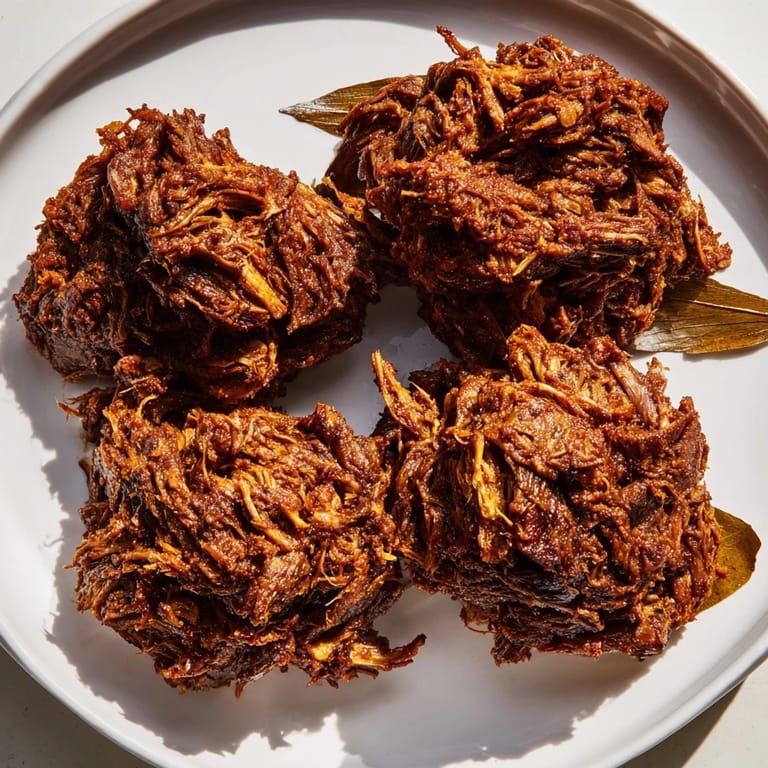
Save The first time I encountered Omani Shuwa, it wasn't in a cookbook or a restaurant—it was at a friend's home during Eid, when the whole house had been filled with the most intoxicating aroma of warming spices since dawn. She'd shown me the banana leaf-wrapped package emerging from the oven, the way the meat inside practically dissolved under the gentlest pressure of a fork, and I understood immediately why this dish had been passed down through generations as something sacred. What struck me most wasn't just the flavor, but how patient cooking—real, unhurried cooking—could transform simple ingredients into something transcendent.
I made Shuwa for my family's first dinner in our new apartment, and I remember my partner opening the oven door around the five-hour mark, just to stand there breathing in the steam rising from the pan. The anticipation was almost unbearable—we'd been smelling it since mid-morning, and by evening, everyone was gathered in the kitchen like moths to a flame. When I finally unwrapped those banana leaves and the meat fell apart at the slightest touch, I knew I'd nailed it, and more importantly, I'd created a memory that would stick with everyone at that table.
Ingredients
- Bone-in lamb shoulder or leg (2.5 kg): The bone adds depth and keeps the meat moist during those long hours in the oven; ask your butcher to trim excess fat but leave some for flavor and moisture.
- Garlic paste and ginger paste (4 tbsp and 2 tbsp respectively): Fresh pastes, not powdered, make all the difference—they meld with the meat rather than sitting on top of it.
- Ground coriander, cumin, cinnamon, and cardamom (2 tbsp, 1.5 tbsp, 1 tbsp, and 1 tbsp): These four form the warm, aromatic backbone of the dish; toast them lightly in a dry pan first if you're using whole seeds, then grind them yourself for the most vibrant flavor.
- Ground cloves and black pepper (2 tsp and 1 tbsp): Cloves are potent, so respect the measurement, but don't shy away from the black pepper—it keeps the spice profile sharp and interesting.
- Paprika, turmeric, and chili powder (2 tsp, 1 tsp, and 2 tsp): These add color, warmth, and gentle heat; adjust the chili powder based on your tolerance and who you're feeding.
- White vinegar and lemon juice (1/4 cup and juice of 2 lemons): The acid is essential—it tenderizes the meat and brightens all those deep spices so they don't become one-dimensional.
- Vegetable oil (1/4 cup) and salt (2 tsp): The oil helps the spice paste cling to the meat, and the salt should be added gradually so you don't oversalt during marinating.
- Banana leaves (4–6 large leaves): These are the soul of authentic Shuwa; they impart a subtle, almost grassy sweetness and keep the meat in its own steam, creating a mini-oven effect within the oven.
Tired of Takeout? 🥡
Get 10 meals you can make faster than delivery arrives. Seriously.
One email. No spam. Unsubscribe anytime.
Instructions
- Compose your spice symphony:
- Whisk all the marinade ingredients together in a large bowl until you have a paste that's thick enough to coat the back of a spoon. Take a moment to inhale deeply—that's your preview of what's coming.
- Score and coat the meat:
- Using a sharp knife, make deep, confident cuts across the surface of the lamb, about 1/4 inch deep and 2 inches apart. This is where the marinade will travel into the heart of the meat, so don't be timid.
- Rub and refrigerate:
- Work the marinade into every cut and across every surface, using your hands to really press it in. Cover with plastic wrap and place in the fridge for at least 8 hours, though 24 hours is even better if you have the time.
- Prepare your oven and leaves:
- Preheat your oven to 160°C (320°F) about 30 minutes before you're ready to wrap. Rinse your banana leaves under warm water, pat them dry, and lay them out flat—they should be pliable but not torn.
- Wrap with intention:
- Place the marinated meat in the center of your banana leaves and wrap tightly, folding the edges under and securing with kitchen twine. If you prefer, you can wrap in foil after the banana leaves for extra insurance against steam escaping.
- Roast low and slow:
- Place the wrapped bundle seam-side down in a deep roasting pan, cover with a lid or heavy foil, and let it roast for 4–6 hours. The longer you go, the more tender it becomes; check it at the 4-hour mark by gently pressing the package—it should yield slightly.
- Unwrap and serve:
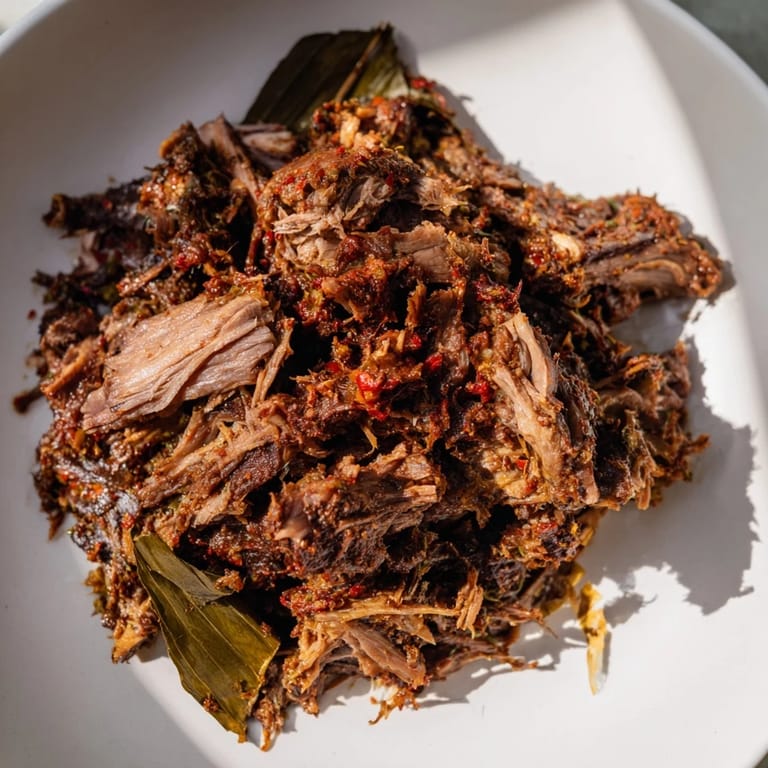
- Once the meat is falling apart at a gentle touch, carefully unwrap it (the steam will be intense), shred it with two forks, and serve on warm rice or flatbread with the rendered juices poured over top.
 Save
Save There's something almost spiritual about the moment you unwrap a Shuwa that's been cooking for five hours, when the banana leaves fall away and release that final, perfect cloud of steam. It's a dish that transforms a gathering into something warmer than just sharing food—it becomes a testament to patience, to tradition, and to the care someone took to feed you well.
Why Banana Leaves Matter
Banana leaves aren't just wrapping material; they're a crucial ingredient that infuses the meat with a subtle, almost sweet undertone that you can't replicate with foil or parchment paper alone. During those hours in the oven, the leaves steam the meat gently and evenly, creating an environment where the spices can fully penetrate without any part of the surface drying out. I've tried shortcuts with foil, and while the meat still turns out tender, something essential is lost—that whisper of authenticity that makes you close your eyes on the first bite.
The Spice Blend Explained
The spices in Shuwa are balanced in a very specific way—warm and aromatic rather than fiery, with just enough heat to keep things interesting. The cardamom and cinnamon create a subtle sweetness that plays against the earthiness of cumin and coriander, while the cloves add a nearly floral note that ties everything together. When someone tastes this dish and can't quite put their finger on what they're experiencing, that's the spice blend doing exactly what it should—creating a complete, harmonious experience rather than a list of individual flavors.
Making It Your Own
The beauty of Shuwa is that while it's deeply traditional, it's also forgiving enough to accommodate your preferences. Some families add a bit of coffee to deepen the spice notes, others incorporate dried limes for extra tartness, and a few brave souls I know have added pomegranate molasses for complexity. Start with the classic version first, but once you've made it a couple of times and fallen in love with it, don't be afraid to experiment.
- If you're cooking for people who prefer gentler heat, reduce the chili powder to 1 teaspoon and let the other spices shine.
- Serve alongside spiced rice, fresh cucumber and tomato salad, and a cooling yogurt sauce to balance the richness of the meat.
- This dish reheats beautifully, so feel free to make it a day ahead if you need to—just warm it gently in a low oven without drying it out.
 Save
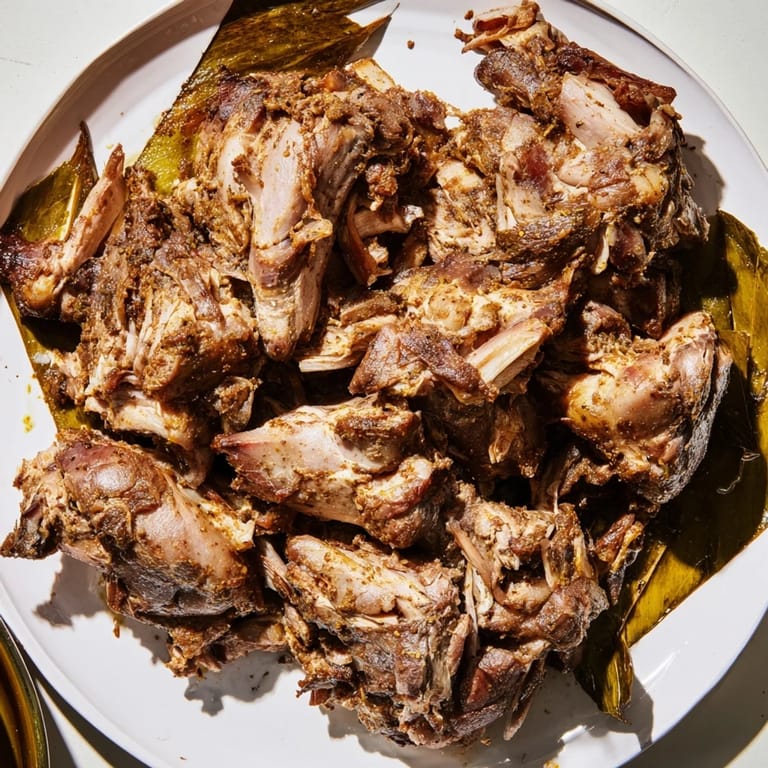
Save Shuwa is the kind of dish that reminds you why certain recipes have survived for centuries—because they work, because they taste extraordinary, and because they turn an ordinary evening into something memorable. Make this for someone you love, and I promise you'll understand why.