 Save
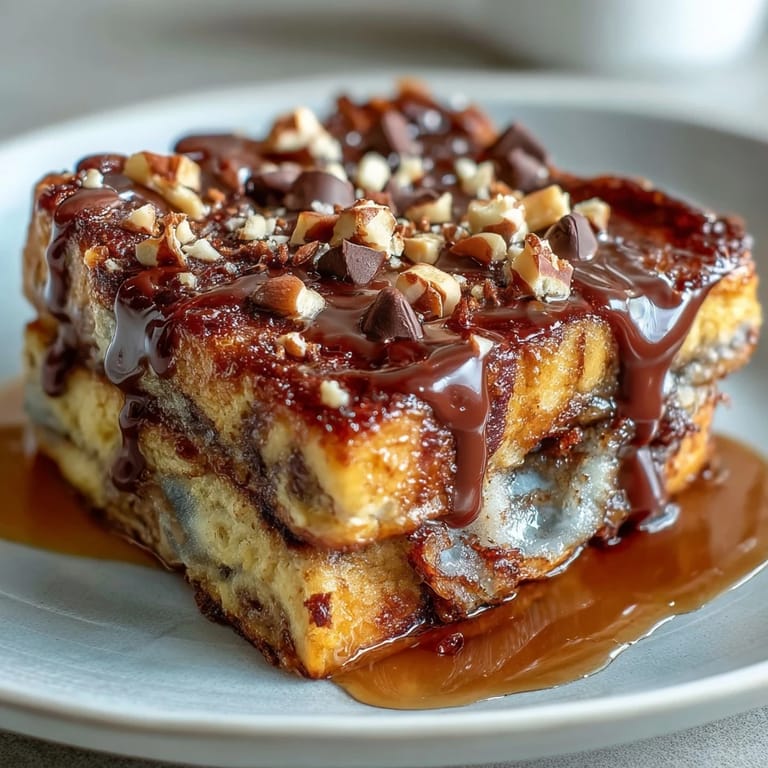
Save My kitchen smelled like a chocolate factory collided with a peanut butter jar the first time I assembled this baked French toast, and I knew immediately I'd stumbled onto something special. What started as a lazy Sunday morning attempt to use up day-old bread turned into the kind of breakfast that makes people ask for the recipe before they've even finished eating. The combination of cocoa and peanut butter in a custard base felt indulgent enough for dessert, yet wholesome enough to eat without guilt. I kept thinking about how my usual French toast routine—standing at the stove, flipping each piece individually—suddenly felt unnecessarily complicated. This version lets the oven do the heavy lifting while you pour coffee and sit down.
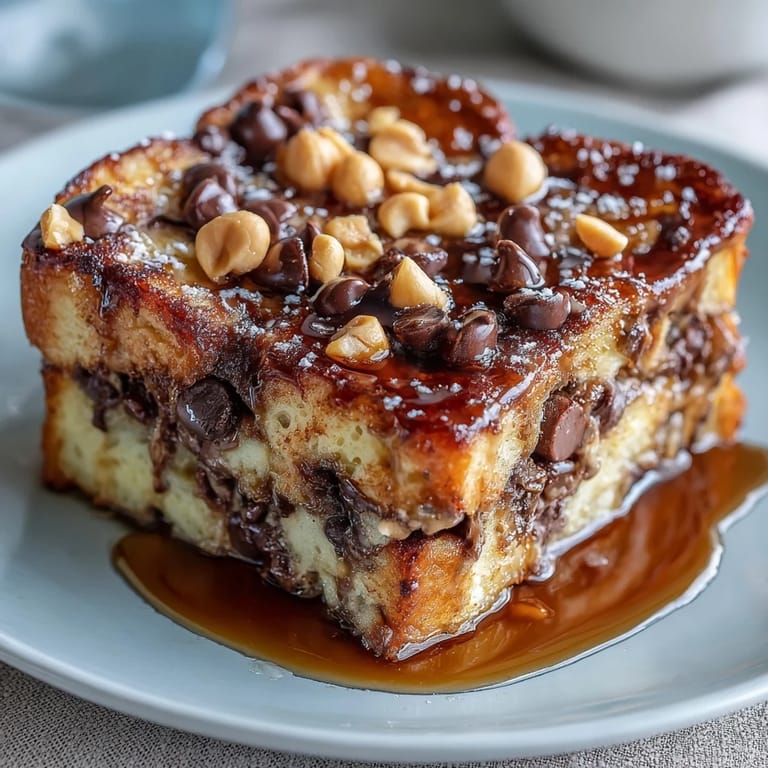
I made this for my sister's birthday brunch last fall, and watching her face light up when she bit into a warm square with the chocolate chips melting slightly against the custard was one of those small kitchen victories that sticks with you. She'd been on this protein-focused fitness kick, and I wanted to prove that eating well didn't mean sacrificing the kind of comfort food that makes mornings feel like celebrations. The whole table went quiet for a moment—not because anything was wrong, but because everyone was too busy eating to talk. That's when you know a recipe has earned its place in rotation.
Ingredients
- Day-old bread, cut into 1-inch cubes: Stale bread absorbs the custard without falling apart, which is the secret nobody tells you; if your bread is fresh, leave it out overnight or toast it lightly first.
- Eggs: These create the custard structure and bind everything together, so don't skip them or substitute with flax eggs.
- Milk (skim or unsweetened almond milk): The liquid base of your custard; almond milk makes it slightly lighter if that matters to you.
- Natural creamy peanut butter: Use the real stuff without added oils or sugars, as it gives you actual peanut flavor instead of that waxy texture.
- Unsweetened cocoa powder: The cocoa is your chocolate flavor anchor, and unsweetened means you control the sweetness level.
- Light brown sugar or coconut sugar: Either works; coconut sugar adds a subtle caramel note if you're experimenting.
- Plain Greek yogurt: This adds richness and extra protein while keeping the texture creamy rather than rubbery.
- Vanilla extract: A small thing that rounds out all those bold flavors and prevents them from feeling one-dimensional.
- Salt: It might seem tiny, but salt deepens chocolate flavor and balances sweetness in ways people taste without realizing it.
- Dark chocolate chips and chopped roasted peanuts: These are optional but absolutely worth including for texture contrast and those little moments of melting chocolate.
Tired of Takeout? 🥡
Get 10 meals you can make faster than delivery arrives. Seriously.
One email. No spam. Unsubscribe anytime.
Instructions
- Prepare your baking dish and preheat:
- Set your oven to 350°F and grease a 9x13-inch baking dish generously; cold ovens and sticking dishes ruin more breakfast plans than you'd think.
- Cube and spread the bread:
- Cut your bread into roughly 1-inch pieces and spread them in a single even layer; this matters because uneven pieces cook at different rates.
- Whisk the custard mixture:
- Combine eggs, milk, peanut butter, cocoa powder, sugar, yogurt, vanilla, and salt in a large bowl, whisking until completely smooth with no lumps of peanut butter floating around. This takes longer than you think it will, so be patient.
- Pour and press:
- Pour the custard over the bread cubes and gently press everything down with the back of a spoon so the bread actually soaks up the liquid rather than floating on top. You'll hear little squelching sounds if you're doing it right.
- Let it rest:
- Give the whole dish 10 minutes to sit; this time lets the bread absorb the custard and means you won't end with a dry center and soggy edges.
- Add toppings if using:
- Scatter chocolate chips and peanuts across the top; they'll melt slightly and create little pockets of texture.
- Bake until set:
- Slide it into the oven for 30-35 minutes, watching for the moment the top puffs up and the center feels just slightly firm when you jiggle the pan. The custard should look set, not jiggly, but still have a tiny bit of give.
- Cool slightly and serve:
- Let it rest for 5 minutes so it firms up enough to slice cleanly, then cut into squares and serve warm with maple syrup or honey drizzled over top.
 Save
Save There's something about assembling this the night before and knowing breakfast is literally just a bake-and-serve situation that changed how I approach weekend mornings. That's when I realized good recipes aren't just about flavor; they're about the actual moments they create in your life.
Why This Works as Both Breakfast and Dessert
The line between breakfast and dessert is thinner than most people realize, and this dish walks right down the middle without apologizing. The Greek yogurt and high protein content make it nutritionally legitimate for morning eating, while the chocolate-peanut butter situation keeps it indulgent enough to feel like you're treating yourself. I've served this at brunches, potlucks, and even midnight snack situations, and nobody's ever questioned whether it belonged wherever it showed up.
The Texture Secret Nobody Mentions
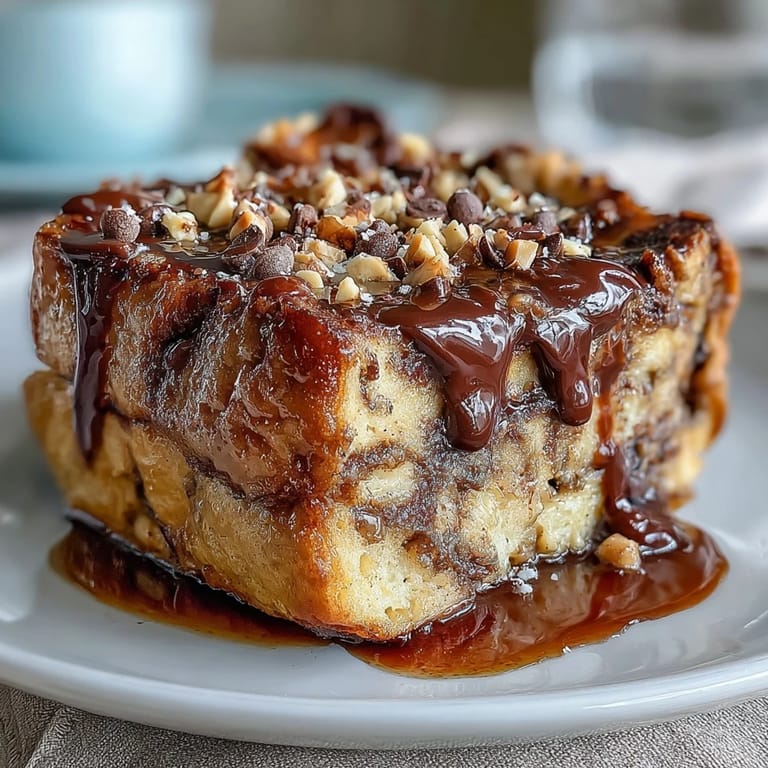
Everyone focuses on flavor when they talk about this recipe, but what really separates a good version from an unforgettable one is the texture—that combination of custardy center with slightly crisp edges and melting chocolate pockets. The magic happens at that exact moment when you take it out of the oven, before it cools too much and sets completely firm. My best batches have had this almost bread pudding quality, where the cubes maintain their shape but surrender completely to the custard. Underbaking slightly is genuinely better than overbaking, even though it feels wrong at first.
Storage, Reheating, and Meal Prep Reality
This keeps beautifully in the refrigerator for 4-5 days, which means you can bake it once and eat breakfast sorted for most of the week. I reheat individual squares in a 300°F oven for about 8 minutes until they warm through without drying out, or sometimes in the microwave if I'm particularly rushed. The texture softens slightly on reheating, which some people think is a downside but I've come to prefer since it feels more custard-like. You can also freeze unbaked assembled dishes and bake directly from frozen, adding about 10-15 extra minutes to the bake time.
- Make it the night before to save 15 minutes on busy mornings and let flavors deepen overnight.
- Reheat gently and slowly so the custard stays creamy rather than becoming rubbery.
- Double the recipe and freeze half for actual future-you breakfast emergencies.
 Save
Save This recipe turned into something I make whenever I want to feel genuinely proud of breakfast, which is more often than you'd think. It's the kind of dish that reminds you that eating well and eating deliciously don't have to be different goals.
Recipe FAQs
- → Can I prepare this the night before?
Yes, assemble everything the night before and refrigerate. In the morning, let it sit at room temperature for 20 minutes before baking.
- → What type of bread works best?
Day-old whole grain or brioche bread absorbs the custard beautifully without becoming soggy. Slightly stale bread holds its texture better during baking.
- → How do I make this nut-free?
Substitute sunflower seed butter for the peanut butter and omit the chopped peanuts. The flavor profile changes slightly but remains delicious.
- → Can I freeze leftovers?
Yes, slice and wrap individual portions tightly. Reheat in the microwave for 1-2 minutes or in a 350°F oven until warmed through.
- → How can I increase the protein content further?
Add one scoop of chocolate or vanilla protein powder to the custard mixture. This adds 20-25 grams of protein to the entire dish.