 Save
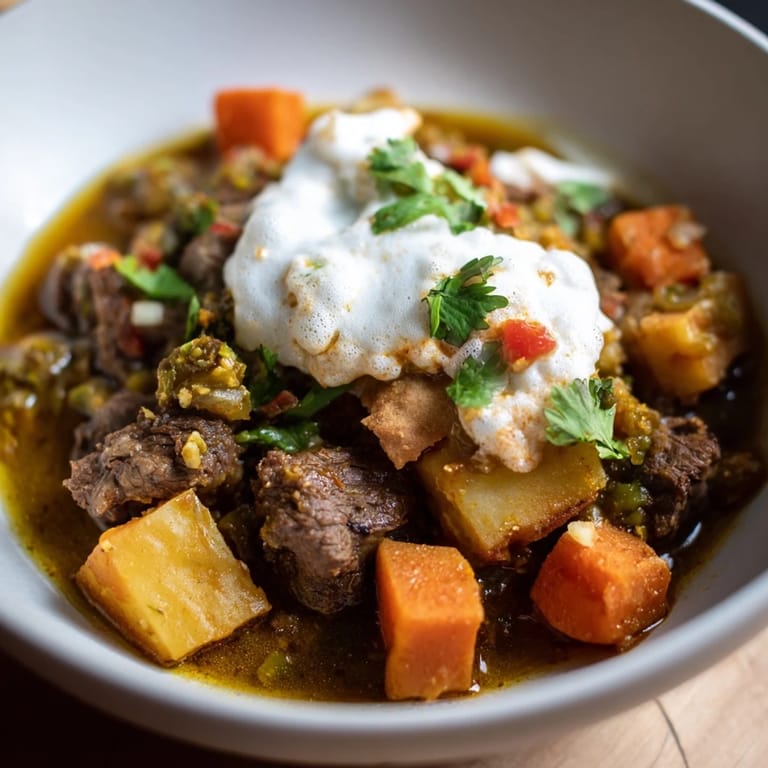
Save The first time I tasted Saltah, I was sitting cross-legged on a worn cushion in a small kitchen in Sana'a, watching an elderly woman work with the kind of confident ease that only comes from decades of practice. She moved between her stove and mortar like she was conducting an invisible orchestra, layering spices and bread and meat into this humble bowl that somehow felt like an edible poem. That moment taught me that the best dishes aren't always the most complicated—they're the ones built on layers of intention, where each component has a reason and a purpose.
I made this for my brother on a cold evening when he was going through a rough patch, and watching him silently work through that bowl, then ask for seconds without saying much, told me everything I needed to know. There's something about layered food that makes people slow down, think between bites, and actually be present. The spices filled our small apartment with this warm, grounding scent that made the whole space feel like a refuge.
Ingredients
- Beef or lamb, cut into 2 cm cubes (500 g): The meat is your foundation—I learned to cut pieces smaller rather than larger because they cook more evenly and absorb the spice better.
- Vegetable oil (2 tbsp): Enough to brown the meat properly without the pan feeling crowded, which I always seem to forget about.
- Onion, finely chopped (1 large): This creates the sweet base layer that mellows the spices as everything cooks down.
- Garlic, minced (3 cloves): Add it after the onions turn golden so it perfumes the oil without burning.
- Tomatoes, chopped (2 medium): Fresh tomatoes add brightness; canned work in winter when fresh ones are disappointing.
- Green chili, finely chopped (1, optional): The heat here is gentle—you're not looking to punish anyone, just add a whisper of warmth.
- Potato and carrot, cubed (1 medium each): These soften into the broth and make the stew feel more substantial without heaviness.
- Water or beef broth (4 cups): Broth deepens everything if you have it, but water works fine—the spices do most of the talking.
- Ground cumin, coriander, black pepper, turmeric, fenugreek (1/2 to 1 tsp each): These are the soul of the dish; toast them together in your mind before adding so you understand how they'll harmonize.
- Salt (1 tsp, or to taste): Add it early so the flavors develop together, then adjust at the end.
- Ground fenugreek seeds (2 tbsp): This is what makes hulbah possible—the seed powder whips into something almost unrecognizable and wonderful.
- Water for hulbah soaking (1/3 cup, plus more): Cold water matters here; it keeps the fenugreek bright rather than bitter.
- Tomato, cilantro, green chili for topping (1 small tomato, 1 small bunch cilantro, 1 chili optional): These are your fresh punctuation marks against the deep, cooked flavors.
- Lemon juice (from 1/2 lemon): The acid lifts everything at the last moment.
- Yemeni flatbreads like malawah or lahoh (2 large): If you can't find traditional ones, pita works, though something thicker holds up better to the hot stew.
Tired of Takeout? 🥡
Get 10 meals you can make faster than delivery arrives. Seriously.
One email. No spam. Unsubscribe anytime.
Instructions
- Build Your Flavor Base:
- Heat oil in a large pot over medium heat and let the onions turn golden and soft, which should take about five minutes. Add minced garlic and your chopped chili right after, stirring just long enough to release their fragrance, then drop in the meat cubes and let them brown on all sides—this takes patience, but it's worth it because the browned surface holds flavors better than pale meat.
- Layer In the Spices and Vegetables:
- Once the meat has colored, add your chopped tomatoes, cubed potato and carrot, then sprinkle in all your spices—the cumin, coriander, black pepper, turmeric, and ground fenugreek. Stir everything together for about five minutes so the spices toast slightly and wake up. You'll smell them transform, which is when you know they're ready.
- Simmer Into Softness:
- Pour in your water or broth, bring it to a strong boil, then lower the heat way down, cover the pot, and let it bubble gently for one and a half hours. The meat should shred easily with a fork when it's ready, and the vegetables should dissolve into the broth rather than stay firm.
- Whip the Hulbah Into Magic:
- While everything simmers, soak your ground fenugreek in cold water for about an hour—this softens it and makes it less bitter. Drain it well, then whisk or beat it with intense energy for several minutes until it transforms into a light, fluffy foam that looks almost like whipped cream. This is the part that surprises people the most.
- Finish the Hulbah With Fresh Elements:
- Fold your diced tomato, chopped cilantro, minced chili, and lemon juice into the whipped fenugreek along with a pinch of salt. The fenugreek will stay light if you fold gently rather than stir aggressively.
- Assemble in Layers:
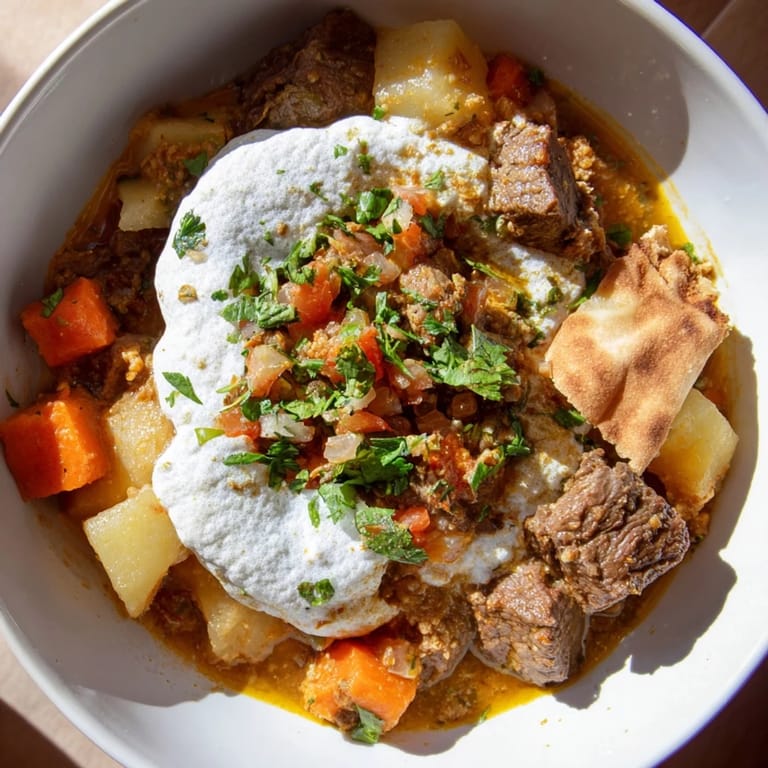
- Tear your flatbread into pieces and scatter it across the bottom of serving bowls, then ladle the hot meat stew over it so the bread soaks up all the savory liquid without getting completely submerged and falling apart. Top each bowl generously with the hulbah foam so it sits like a cloud above the warm stew.
- Serve and Share:
- Bring the bowls to the table immediately while everything is hot, and let people mix the layers together as they eat. This is part of the experience—everyone customizes their bite to their own preference.
 Save
Save There's a moment when you're eating Saltah where the warm bread beneath softens into the meat, the hulbah starts to melt into everything, and suddenly you understand why this dish has been made the same way for generations. It's not fancy or pretentious—it's pure comfort built on respect for simple ingredients and the patience to let flavors develop. That's when eating becomes meditation.
Why the Spices Matter
Each spice in this stew has a job that I didn't fully appreciate until I accidentally left out the turmeric one time and the whole bowl felt pale and incomplete. The turmeric brings earthiness and a subtle warmth that makes you feel the spice before you taste it, while the cumin and coriander add brightness and complexity that keep the dish from feeling one-note. Fenugreek is the wild card—it's slightly sweet and almost maple-like, which sounds strange until you taste it in context and realize it's been holding Yemeni cooking together for centuries.
The Art of Timing
I used to rush this dish and wondered why my meat came out tough and the vegetables mushy, until I learned that Saltah isn't something you hurry. The hour and a half of simmering isn't wasted time—it's when the meat becomes tender enough to almost dissolve, when the broth becomes silky from all those rendered fats and broken-down vegetables, and when the flavors finally speak to each other instead of shouting separately. There's a rhythm to it that matters.
Serving and Customization
What I love most about Saltah is that it's participatory—everyone at the table gets to build their own bite by mixing the layers however they prefer. Some people like more bread soaking through everything, others pile extra hulbah on top, and someone always asks for more spice or lemon at the end. There's also room to make it your own without losing what makes it authentic.
- If you can't find proper Yemeni flatbread, look for lahoh or malawah at Middle Eastern markets, but pita works in a pinch.
- Add zhug (Yemeni cilantro hot sauce) on the side if you want an extra layer of fresh heat and brightness.
- A vegetarian version swaps meat for extra root vegetables or white beans and tastes just as nourishing when the broth is flavorful.
 Save
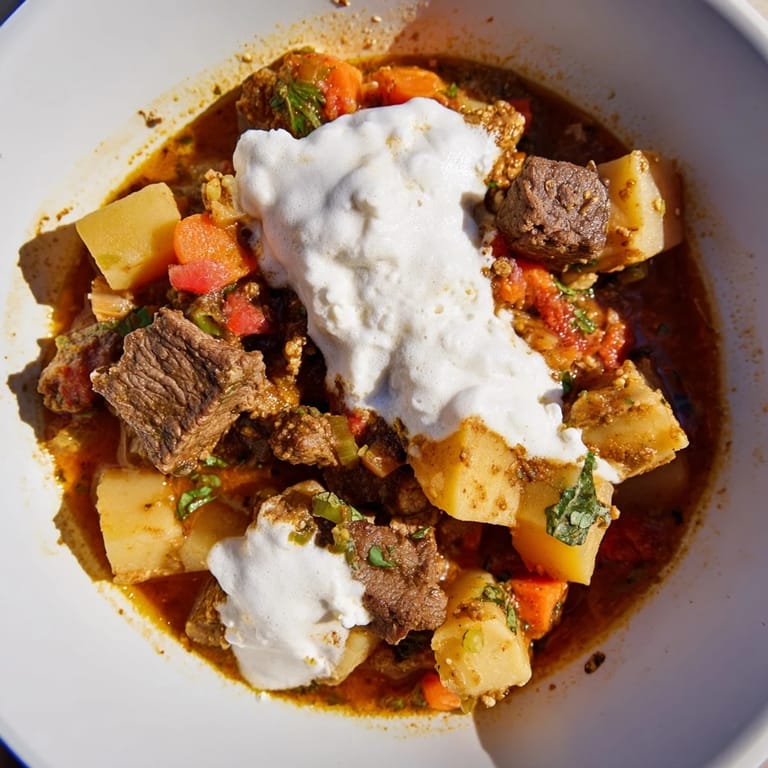
Save Saltah reminded me that some of the most meaningful food doesn't come from complexity or technique alone—it comes from intention, layers, and taking time to let things develop. This bowl is a quiet act of care, whether you're making it for yourself or someone else.
Recipe FAQs
- → What type of meat works best in this dish?
Beef or lamb cut into cubes is ideal, providing a rich flavor and tender texture after slow simmering.
- → How is the fenugreek foam prepared?
Ground fenugreek seeds are soaked, then whisked vigorously to create a light, airy foam infused with tomato, cilantro, and lemon juice.
- → Can I substitute the flatbread used in this dish?
Traditional Yemeni flatbreads like malawah or lahoh are preferred, but pita or naan can be used as alternatives.
- → What spices give the stew its unique flavor?
The combination of cumin, coriander, black pepper, turmeric, and fenugreek creates a warm, aromatic profile distinctive to the dish.
- → Is there a vegetarian option for this meal?
Yes, omitting meat and increasing root vegetables or adding beans can create a satisfying vegetarian variation.